


.avif)





.svg)



Should you be using OutSystems in 2025?
.svg)
OutSystems has established itself today as a major low-code platform revolutionizing the way web and mobile applications are developed. It enables the rapid creation of complex solutions while facilitating collaboration between developers and business teams. In a world where agility is king, OutSystems offers a solid alternative to traditional coding methods, combining speed, robustness and integration.
But is OutSystems suitable for all profiles and all projects? Is it a relevant choice for web agencies and professional developers in 2025? This article offers a comprehensive overview to understand the strengths and limitations of this must-have low-code platform.
My experience with OutSystems
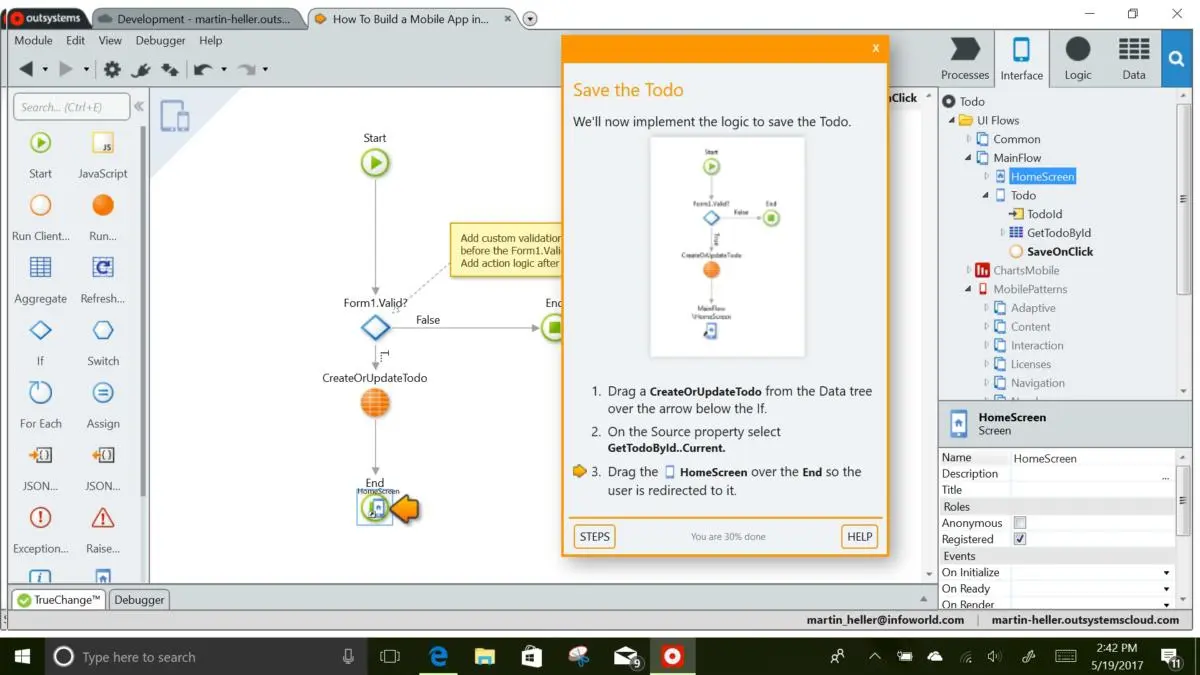
I use OutSystems mainly in a professional context to accelerate the delivery of customer projects requiring robust, scalable enterprise applications. What I take away from this experience is the great prototyping speed enabled by the low-code platform, which allows you to go from concept to realization very quickly without sacrificing quality.
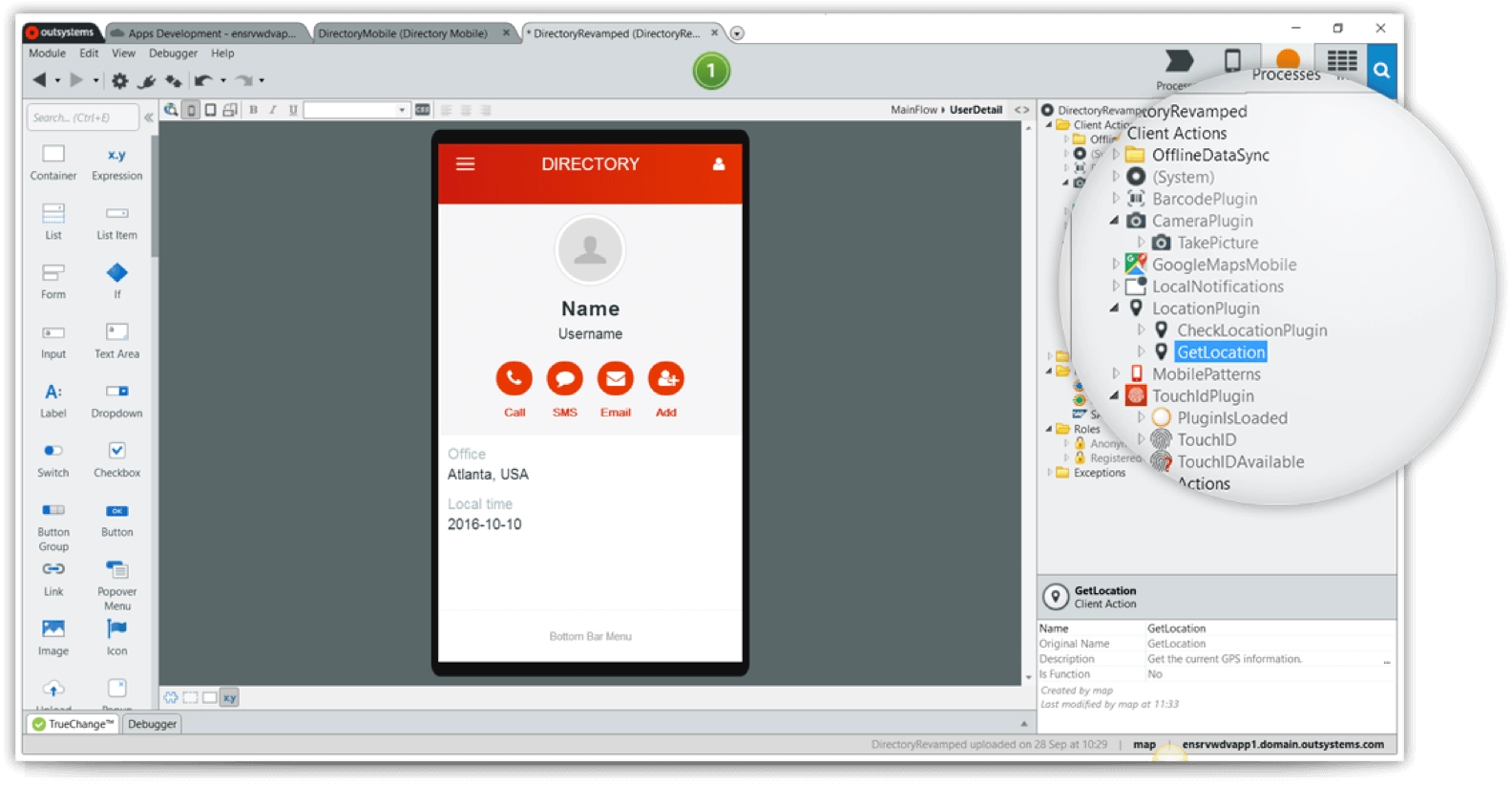
OutSystems particularly excels in scenarios where integration with existing systems is crucial, offering native connectors and a modular architecture that facilitates maintenance and upgrades. Its ability to handle complex applications while remaining accessible to developers with moderate knowledge is a major asset.
On the other hand, the platform can show its limits on very specific or very low-level developments requiring fine-grained code control and optimal performance. What's more, the cost can be a brake for small teams or projects with very limited budgets.
Is OutSystems really right for me?
The real question to ask before adopting OutSystems is to clearly define your needs for rapid, scalable development, with a strong business integration and automation component. This platform is ideal for accelerating the production of complex applications without starting from scratch.
Many profiles can benefit greatly from OutSystems: agency developers wishing to deliver MVPs quickly, IT managers in large companies needing to manage a multitude of interconnected systems, or project managers who require an integrated collaborative platform to improve communication between business and technical.
Another strength of OutSystems is the ability to compose mobile and web applications from the same base, thus avoiding code duplication and saving valuable time in the development and maintenance phases.
.
Is OutSystems suitable for beginners?
OutSystems can be accessible to development beginners thanks to its intuitive visual interface and numerous ready-to-use templates and components. The platform guides users through the creation of applications without writing too much code, which is a real asset for those new to mobile or web application development.
Beginners also benefit from extensive documentation, tutorials, and an active community to make rapid progress. That said, a certain understanding of basic development principles remains necessary to fully exploit OutSystems and avoid common pitfalls.
How much does OutSystems cost?
OutSystems offers several pricing packages tailored to the varied needs of businesses. The standard package starts at around $150 per month, offering full access to low-code functionality, connectors and cross-platform deployment. It is well suited to SMEs and agencies looking for a robust solution for medium-sized projects.
For large enterprises, customized plans are available with advanced user management, enhanced security and premium support. These packages address complex integration and scalability needs in mission-critical IT environments.
What are OutSystems' key features?
OutSystems' first key feature is its low-code visual development environment, which enables applications to be modeled using drag-and-drop. This dramatically speeds up implementation without sacrificing the flexibility or performance of the final applications.
Then, OutSystems offers a wide range of native connectors to easily integrate databases, ERP, CRM and other third-party systems. This interoperability is essential for building consistent, scalable enterprise applications.
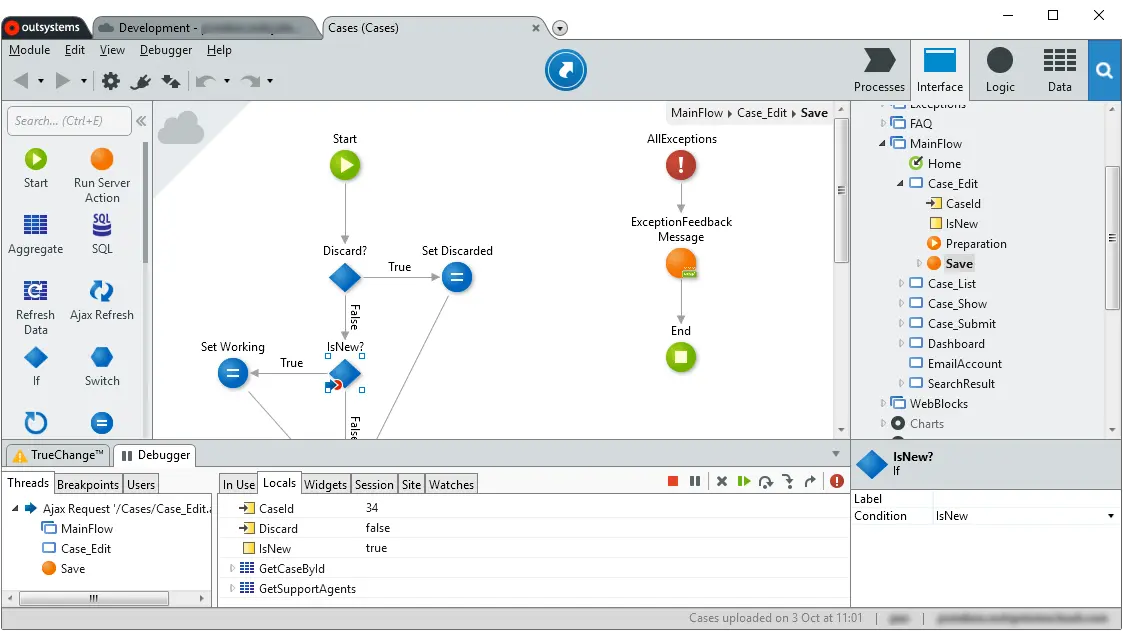
Beyond the basics, OutSystems includes advanced features such as application lifecycle management (ALM) and real-time monitoring tools to track the performance and stability of deployed apps.
The platform also offers built-in artificial intelligence capabilities to automate certain business processes and improve the user experience, an important advantage in an increasingly competitive environment.
Like any low-code platform, OutSystems has its limitations, which manifest themselves depending on the use case. For example, for applications with very specific performance requirements or that are highly customized, the low-code approach can prove restrictive, limiting the freedom of pure development.
However, there are competitors such as Mendix, Appian or Power Apps that also occupy this segment and offer interesting alternatives depending on specific project needs. OutSystems remains one of the best options for a good balance between power and ease of use.
Advantages include notable development acceleration, pre-integrated features, and ongoing support offered. On the flip side, the cost and learning curve remain to be considered before fully committing to the platform.
FAQS
Is it reliable and secure?
OutSystems is designed to be a reliable and secure platform. It adheres to industry standards and recognized security protocols such as OAuth, SAML for authentication, as well as encryption of data in transit and at rest. The platform is regularly audited to ensure compliance and robustness.
In addition, OutSystems offers integrated tools for managing vulnerabilities, access and permissions, ensuring strict control over development and production environments.
.Is it compatible with my other tools?
OutSystems is compatible with a multitude of environments thanks to its open APIs and web standards-based architecture. It supports all major data formats and can easily integrate with third-party tools via native or custom connectors.
Is there responsive customer support?
OutSystems customer support is renowned for its responsiveness and expertise. Users benefit from several support channels: comprehensive documentation, forums, as well as direct support via ticket or telephone. Response times vary according to the plan chosen, with priority premium support for enterprise customers.
What do other users think?
User reviews of OutSystems often emphasize its ease of use and the speed of development it enables. On the other hand, some users regret the high cost for small organizations, and the steep learning curve, especially for developers accustomed to traditional code.
OutSystems is the ideal solution for small and medium-sized businesses, and for developers used to traditional code.
OutSystems is the ideal solution for small and medium-sized businesses, and for developers used to traditional code.OutSystems is the ideal solution for small and medium-sized businesses, and for those used to traditional code.Can I easily change later?
User reviews of OutSystems often emphasize its ease of use and the speed of development it enables. On the other hand, some users regret the high cost for small organizations, and the steep learning curve, especially for developers accustomed to traditional code.
OutSystems is the ideal solution for small and medium-sized businesses, and for developers used to traditional code.
OutSystems is the ideal solution for small and medium-sized businesses, and for developers used to traditional code.OutSystems is the ideal solution for small and medium-sized businesses, and for those used to traditional code.Alternatives

Specializing in business creation, sales and digital marketing, he puts his expertise at the service of users to help them identify the solutions best suited to their needs. Passionate about digital innovation and optimizing online performance, Alexis is committed to providing detailed, transparent and unbiased comparisons.
Do you have an entrepreneurial project?
We support you in the structuring and development of your tech project. Make an appointment with one of our Business Strategists.