


.avif)





.svg)




Sketch has long been the undisputed favorite of UI/UX designers on macOS, a pioneer in the democratization of vector-based interface design. It truly paved the way for more modern tools, positioning itself as the benchmark for agility and lightness. But in 2025, faced with ever more innovative competition and ever-changing needs, is it still the best option for turning your creative visions into reality? I've spent thousands of hours on Sketch with my teams at Easy Web, and here I share my feedback on its ergonomics, its ecosystem, its strengths and its limitations.
My experience with Sketch
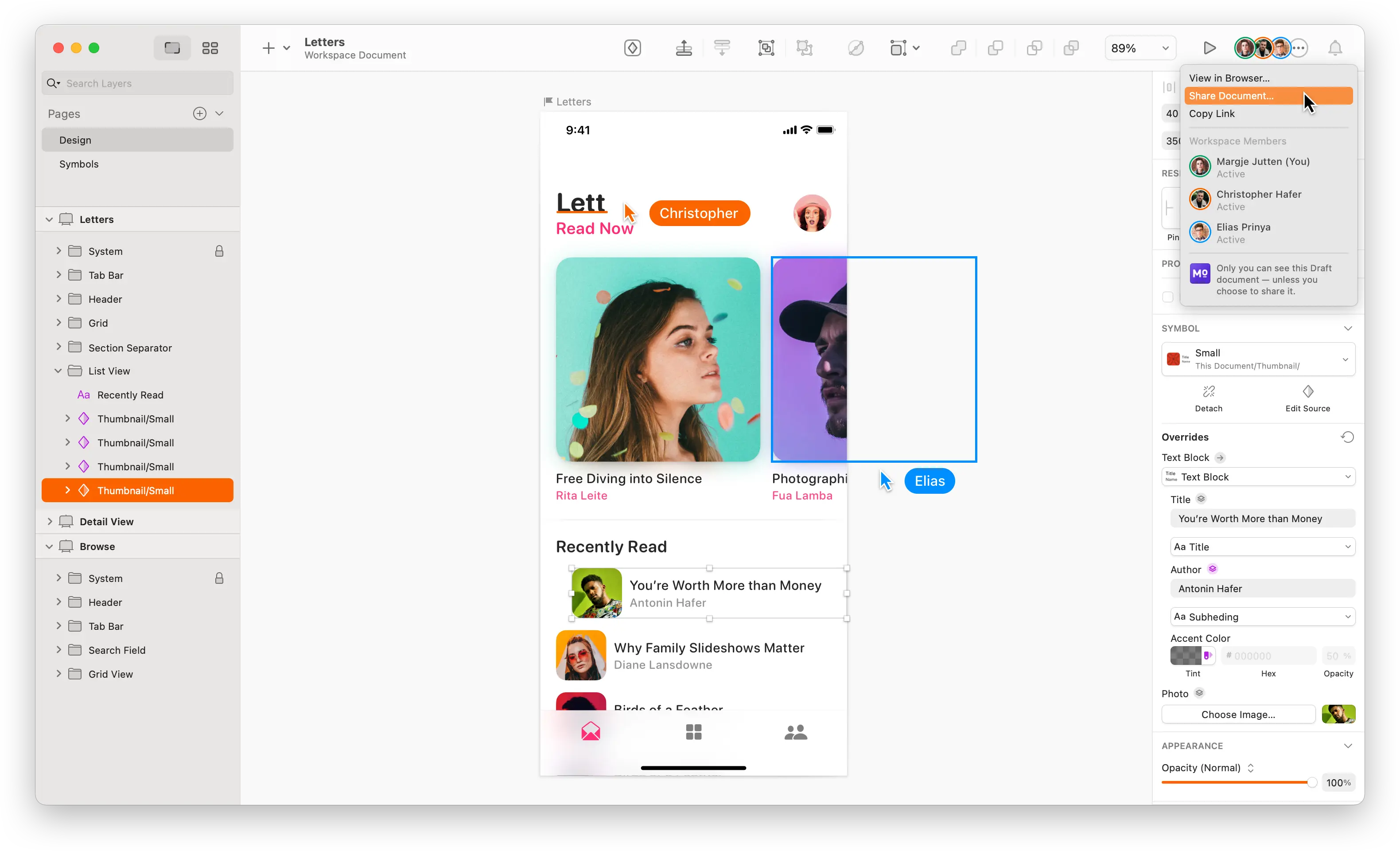
Since I started with Easy Web in 2020, Sketch has always been at the heart of our design processes. I've seen it evolve, adapt, and sincerely, it remains a pillar for our creations. What always strikes me is its lightness and optimization for UI/UX workflow.
For user interface and experience design (UI/UX), it's a champion. Its speed of execution and dedicated features (symbols, overrides, libraries) mean you can prototype and iterate at breakneck speed. It's the ideal tool when you want to concentrate on pure, no-frills design.
However, Sketch is primarily for Macs. This is a major limitation for multi-OS teams. And if you need advanced interactive prototyping features or ultra-fluid real-time collaboration, other tools can sometimes take over.
Sketch is not for Macs.
Is Sketch really useful for my needs?
The real question to ask yourself before using Sketch is: what is my objective? Because the relevance of Sketch depends very much on how you use it. For user interface (UI) and user experience (UX) design for web and mobile, Sketch is formidable. Mock-ups, wireframes, prototypes: it's designed for it, and it does it well.
Whether you're a freelance UI/UX designer, in an agency, or part of a product team, Sketch remains your ally. It shines for structuring a design system, managing reusable components or symbol libraries. For iterating on application screens or designing a modular website, it's a proven performer.
.Its ecosystem of plugins is another strong point. This ability to extend its functionality is crucial. Automate tasks, synchronize with development tools, enrich your prototypes. It's a considerable time and flexibility saver.

Is Sketch suitable for beginners?
When you're new to interface design, the complexity of the tools can quickly put you off. Sketch, in my experience, radically simplifies this first approach. Its interface is uncluttered, focused on the essentials: creating screens. You have access to intuitive vector tools, perfect for understanding the logic of digital design. Don't forget the symbols, reusable elements that introduce you to the notion of design system right from the start, without drowning you.
It's a real springboard for young talent. You're not overwhelmed by a thousand photo editing or printing features. The emphasis is on artboards, for designing multiple screens of an application or site, and creating components. For someone who wants to learn UI/UX straight away, this is the ideal tool for building a solid foundation before exploring wider ecosystems.
How much does Sketch cost?
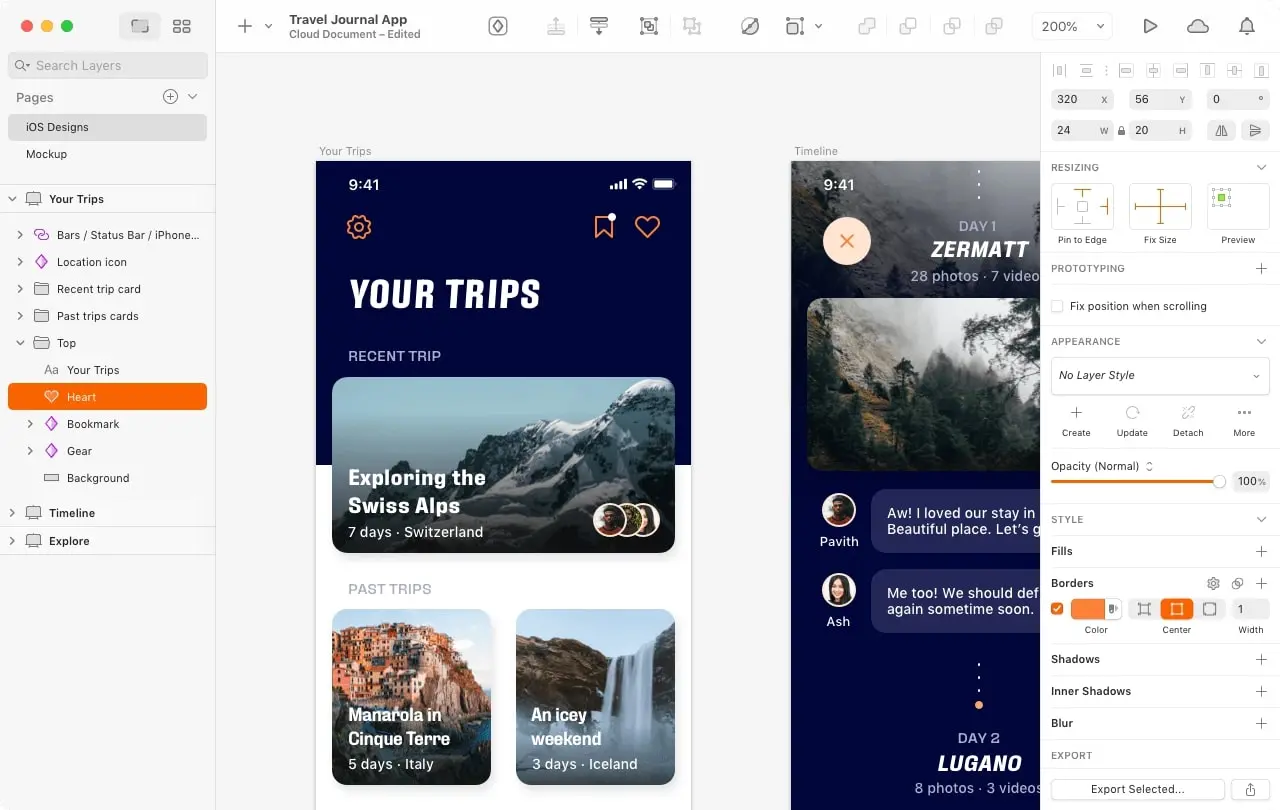
Cost is often the first question that comes to mind when evaluating a tool. For Sketch, the model is transparent, and I appreciate that. We're on an annual subscription per user, hovering around $99 per year in 2025. This one-time cost is a full license for the Mac application, giving you access to all updates, major and minor, and to the Sketch Cloud ecosystem. Think real-time collaboration, prototype sharing, and centralized management of Design Systems - it's all included. It's perfect for solo designers, independent studios, or integrated teams looking for a robust solution without the complexity (or cost) of an exhaustive suite. And an important point: even if you don't renew, you keep the latest version of the app, a not inconsiderable asset for the longevity of your projects.
What are Sketch's key features?
For me, what really sets Sketch apart is its symbol management. At Easy Web, this functionality has become the backbone of our efficiency. The ability to create reusable components - whether buttons, navigation bars or maps - and instantly synchronize them across all our layouts is a game-changer. It ensures impeccable consistency and saves us precious time, especially on complex projects.
The other major strength is clearly the ecosystem of plugins. For pros, Sketch goes beyond a simple design application thanks to this extensibility. I immediately think of tools like Zeplin for a fluid handoff developer, or even extensions to generate dummy content quickly. These plugins personalize the experience, allowing us to tailor the tool precisely to our needs and optimize our workflows. It's the freedom to sculpt your tool.
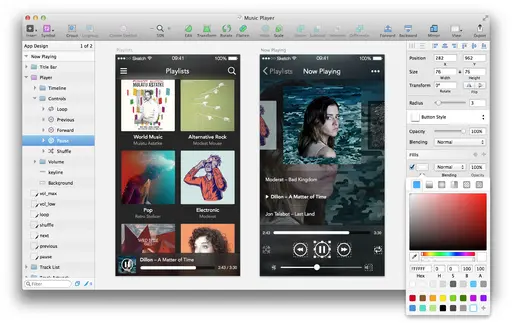
When it comes to design efficiency, Sketch's smart resizing features are a major plus. You know, the ability to define "Smart Layouts" allows your elements to automatically adjust to the size of the content or frame. It's a revolution for rapid iterations, and has saved us countless times on complex projects at Easy Web, avoiding tedious manual adjustments at every change.
And let's never underestimate the power of Symbols and their "Overrides". Creating a reusable component is the basics. But being able to easily modify its text, images or colors without breaking the link with the master symbol? This is where Sketch excels. Combine this with Libraries and you've got the coherent design system that every modern agency is looking for. It's a time-saver and quality assurance that's second to none.
At Easy Web, I have to admit that we've sometimes pushed Sketch to its limits. When real-time collaboration is paramount on giant team projects, it's clearly not made for it; you've got to juggle files, it gets frustrating fast. And for complex ultra-interactive prototyping, it often requires plugins or exports to other tools, which adds friction.
This is where tools like Figma or Adobe XD take over, shining with their fluid co-editing, essential in 2025. They meet these precise needs. But Sketch is not to be discarded! For sheer speed of execution and the management of robust design systems in solo or small teams, it still excels and remains a must-have for many.
So, in a nutshell, Sketch is:
Benefits:
- Lightweight, fast execution
- Excellent management of Symbols (components)
- Vast ecosystem of plugins
Drawbacks:
- Limited real-time collaboration
- No web or Windows native version
- External advanced prototyping
FAQS
Is it reliable and secure?
Absolutely. As a native macOS application, Sketch is inherently stable and reliable. Your .sketch files are stored locally, so you retain full control of your data. For collaborative functions via Sketch Cloud, communications are secured via HTTPS, ensuring the integrity of your exchanges. The Sketch team is very responsive to security updates and patches, which constantly reinforces its robustness. My team and I have been using it at Easy Web for years without encountering any major flaws.
Is it compatible with my other tools?
Absolutely. Sketch excels at integration, a key point for our workflows. Its robust plugin ecosystem lets you easily connect it to tools like Zeplin or InVision for developer hand-off, or Abstract for versioning and collaboration. Exports in SVG, PNG or PDF guarantee seamless compatibility with most of the development and project management tools we use daily at Easy Web.
Is there responsive customer support?
So, regarding Sketch support, my experience with Easy Web has been pretty positive. They're generally very responsive. For technical problems, we often get a pertinent response in less than 24 working hours.
Beyond the direct contact, their documentation is exhaustive and the community is incredibly active. This is a real asset for finding quick solutions or tips without waiting for formal feedback. So yes, you can count on efficient support when you need it.
What do other users think?
Many designers hail Sketch for its lightness and UI/UX-friendly interface. It's a favorite on macOS, recognized for its rich plugin ecosystem and fluidity. Sketch Cloud integration is appreciated for sharing. However, its Apple exclusivity and real-time collaboration are considered less advanced than tools such as Figma. Overall, efficiency for interface design is a strong consensus.
Can I easily change later?
Many designers hail Sketch for its lightness and UI/UX-friendly interface. It's a favorite on macOS, recognized for its rich plugin ecosystem and fluidity. Sketch Cloud integration is appreciated for sharing. However, its Apple exclusivity and real-time collaboration are considered less advanced than tools such as Figma. Overall, efficiency for interface design is a strong consensus.
Alternatives
.svg)

Specializing in business creation, sales and digital marketing, he puts his expertise at the service of users to help them identify the solutions best suited to their needs. Passionate about digital innovation and optimizing online performance, Alexis is committed to providing detailed, transparent and unbiased comparisons.
Do you have an entrepreneurial project?
We support you in the structuring and development of your tech project. Make an appointment with one of our Business Strategists.