


.avif)





.svg)



Should you use Shopify in 2025?

Shopify has established itself today as one of the most powerful and popular SaaS platforms for creating and managing online stores. Founded in 2006, this Canadian solution has revolutionized e-commerce by providing easy access to a comprehensive, intuitive interface, suitable for both small businesses and major international retailers. Thanks to its rich ecosystem of third-party applications, Shopify offers a flexibility and speed of deployment appreciated by web developers and agencies.
But does Shopify really meet all the needs of web development professionals in 2025? What are the concrete advantages and limitations of this solution in an increasingly competitive market? This article offers a comprehensive analysis to help you decide whether Shopify should be part of your technical arsenal.
My experience with Shopify
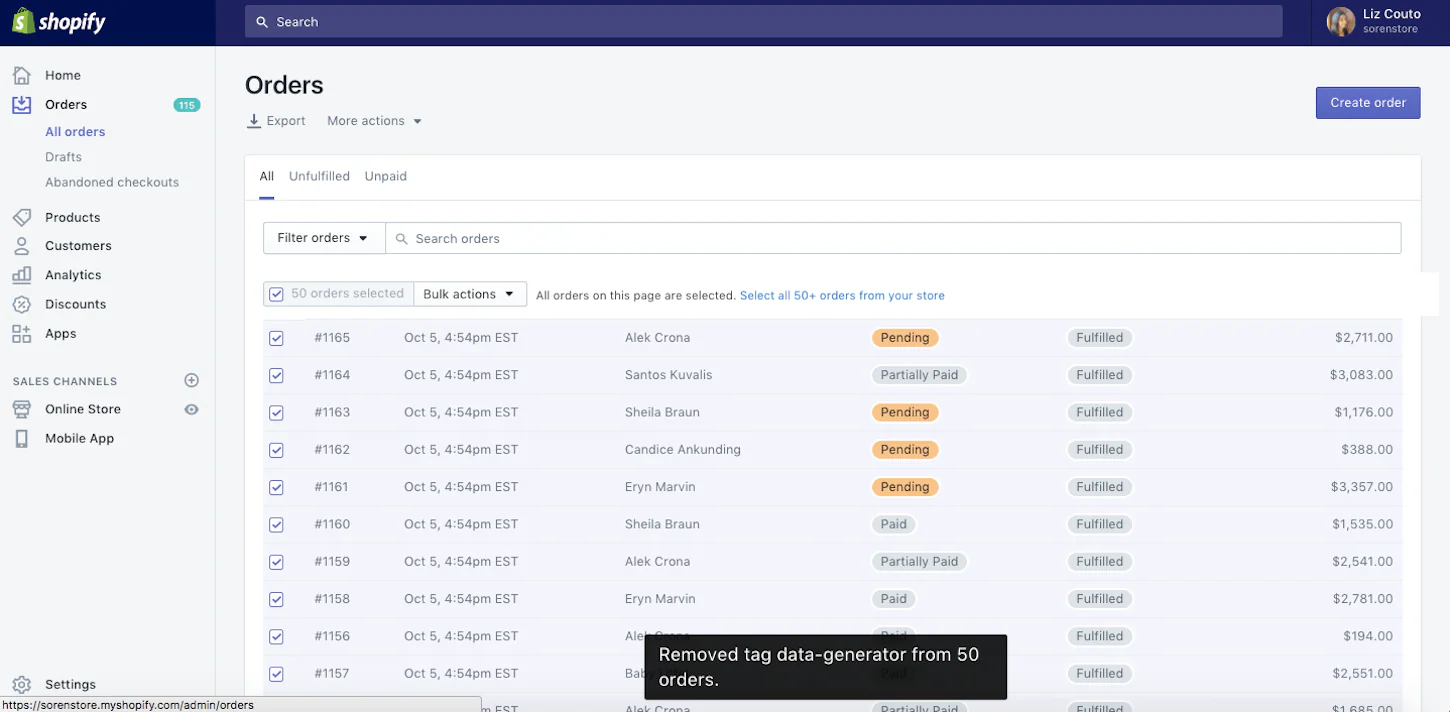
I use Shopify mainly in a professional setting for the development of e-commerce stores for customers of all sizes. What I particularly appreciate is its simplicity of use combined with the richness of its ecosystem. The ability to quickly integrate specialized applications means that each project can be adapted without starting from scratch, which is a considerable time-saver for agencies.
Shopify excels particularly in contexts where inventory management, multi-channel (online sales, social networks, physical stores) and speed to production are crucial. Its clear interface and integrated marketing tools facilitate rapid store growth.
However, for very specific needs or advanced customization, the platform shows its limits without a solid technical background. The cost of third-party applications can also add to the overall bill for customers, especially for low-margin projects.
Is Shopify really useful for my needs?
The real question to ask yourself before choosing Shopify is: do I need a complete, turnkey platform to easily create a high-performance online store? Shopify is aimed at both developers and entrepreneurs who want to quickly launch a functional e-commerce site.
For web agencies and developers, Shopify is ideal when it comes to quickly delivering a multi-channel business with full product and order management. Small and medium-sized businesses who want a professional online presence without worrying about technical maintenance will also find it to their advantage. Finally, experienced merchants looking to optimize their SEO and marketing campaigns with integrated tools will gain in efficiency.
Another major strength of Shopify is its extensive library of applications, which allows specific features to be added at any time, thus offering progressive customization according to project needs.

Is Shopify suitable for beginners?
Shopify is designed with a highly intuitive interface that makes it easy for beginners to get to grips with. Features such as a simplified drag-and-drop editor, ready-to-use store templates and clear navigation enable novices to create a functional store without extensive development knowledge.
For a beginner, Shopify represents an excellent entry point thanks to its support via guides, video tutorials and an active community. The platform automates many technical processes, greatly reducing the learning curve and allowing you to focus on content and sales.
How much does Shopify cost?
Shopify offers several pricing plans tailored to the needs and size of businesses. The Basic Shopify plan at around €29 per month is perfectly suited to small stores just starting out. It offers all the basic functionality to manage products, payments and marketing. This plan is ideal for independent contractors or small agencies.
The plan called Shopify at around €79 per month targets growing businesses with advanced reporting and support needs. It brings additional tools such as gift cards and professional reporting, tailored to users looking to optimize their business.
The Advanced Shopify plan, costing around €299 per month, is aimed at merchants with a high volume of transactions and who need advanced features such as customized reporting and third-party calculated shipping rates. This is the solution for more established agencies and businesses.
Finally, for very large enterprises, Shopify Plus offers a bespoke package with dedicated support, suitable for complex environments and very high volumes.
What are Shopify's key features?

Shopify's first key feature is its fully integrated store management system. This includes secure cloud hosting, a comprehensive product catalog, and an efficient order and customer management system. This makes it possible to centralize all operations related to an online store, simplifying maintenance and administration.
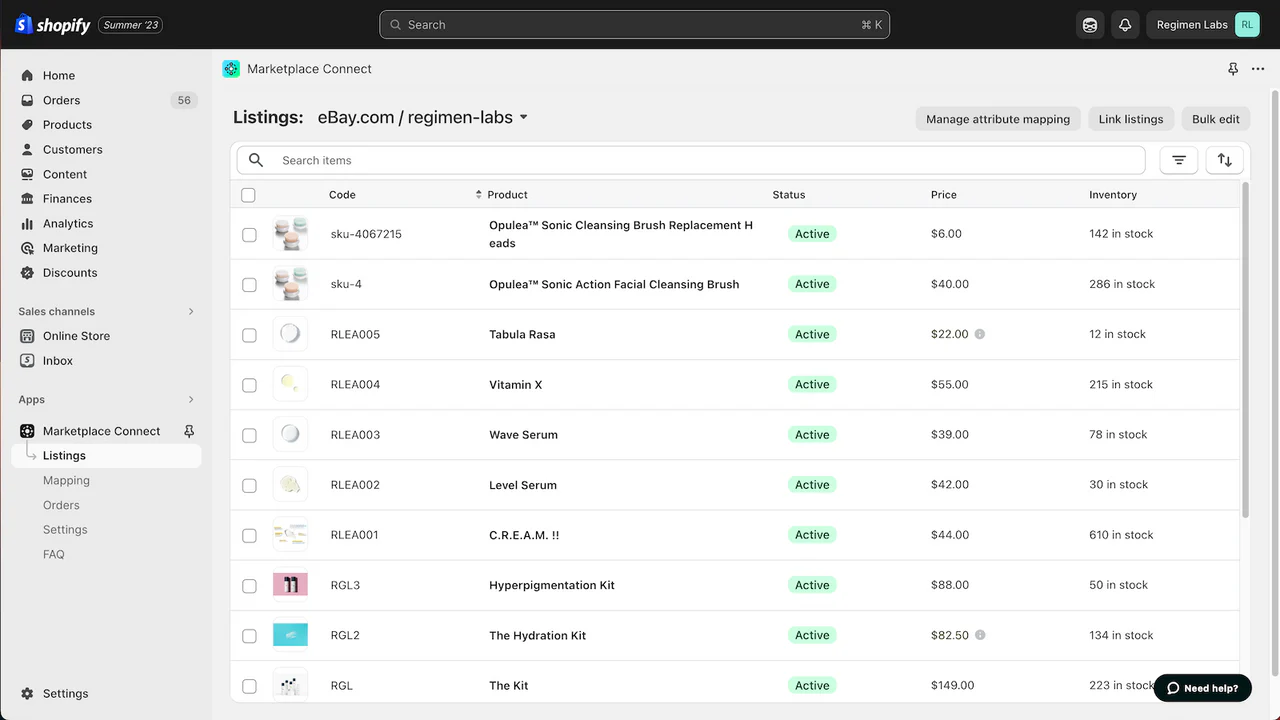
Then, Shopify offers a wide ecosystem of applications and themes enabling the customization of almost every aspect of the store, without the need for intensive coding. This richness makes it easy to add marketing, finance, inventory management or customer service modules according to the specific needs of each store.
Among the advanced features, Shopify embeds an in-house template language, Shopify Liquid, which enables deep customization of store appearance and behavior. This capability is highly appreciated by developers wishing to offer a unique, bespoke experience to their customers.
Shopify also guarantees strong security via PCI DSS compliance for payments, as well as systematic SSL/TLS encryption. Performance is optimized thanks to a scalable cloud infrastructure that supports large numbers of simultaneous users, ensuring a smooth experience for end customers.
Despite its many strengths, Shopify has its limitations depending on the use case. For projects requiring highly advanced customization or advanced bespoke features, Shopify is not always the most suitable without advanced technical skills, particularly in the development of complex themes with Shopify Liquid.
As for alternatives, solutions such as WooCommerce (WordPress), Magento or PrestaShop offer greater technical freedom and customization, but require more maintenance and know-how. Shopify remains a relevant choice for those who prioritize efficiency and ease of operation.
To sum up, Shopify offers an excellent compromise between power and ease of use, but its cost can climb with extensions and certain technical aspects remain perfectible for developers seeking total flexibility.
FAQS
Is it reliable and secure?
Shopify is a reliable and secure platform that takes data protection and transaction security very seriously. It complies with PCI DSS security standards, essential for online payments, guaranteeing the protection of customers' banking information.
SSL/TLS encryption is systematically applied, ensuring that all data exchanged between the browser and the store is secure. Shopify also offers two-factor authentication (2FA) to reinforce the security of administrator accounts.
The cloud infrastructure deployed by Shopify guarantees high availability and robustness against attacks and breakdowns. Regular, automatic and transparent updates help keep the system up-to-date with the latest potential threats.
Is it compatible with my other tools?
Shopify is a web platform accessible via all modern browsers, guaranteeing maximum compatibility. Its mobile compatibility via iOS and Android apps allows merchants to manage their store on the go.
In addition, Shopify benefits from a rich, documented API that allows developers to integrate custom functionality or connect the store to other external systems, such as ERP, CRM or logistics solutions. CSV format support facilitates data import and export.
Is there responsive customer support?
Shopify offers 24/7 accessible customer support via live chat, email and phone, ensuring ongoing assistance to users. Higher plans benefit from premium support with priority response times and personalized guidance.
The rich and regularly updated official documentation and active community perfectly complement this set-up, enabling the majority of problems encountered to be quickly resolved.
What do other users think?
User reviews are very positive overall, highlighting Shopify's ease of use and functional power. On platforms such as Trustpilot and G2, the average rating is high, with testimonials praising the speed of set-up and quality of support.
However, some feedback points to the overall cost, especially because of the paid third-party applications required for certain advanced features. Others note a certain rigidity for very specific technical needs, but this remains marginal compared to the overall benefits.
Can I easily change later?
User reviews are very positive overall, highlighting Shopify's ease of use and functional power. On platforms such as Trustpilot and G2, the average rating is high, with testimonials praising the speed of set-up and quality of support.
However, some feedback points to the overall cost, especially because of the paid third-party applications required for certain advanced features. Others note a certain rigidity for very specific technical needs, but this remains marginal compared to the overall benefits.
Alternatives
.svg)

Specializing in business creation, sales and digital marketing, he puts his expertise at the service of users to help them identify the solutions best suited to their needs. Passionate about digital innovation and optimizing online performance, Alexis is committed to providing detailed, transparent and unbiased comparisons.
Do you have an entrepreneurial project?
We support you in the structuring and development of your tech project. Make an appointment with one of our Business Strategists.