


.avif)





.svg)



Should Schemantra be used in 2025?
Schemantra is a tool dedicated to auditing structured data and semantic markup to improve search engine visibility. It is aimed primarily at SEO consultants, web developers and digital agencies seeking to optimize their technical SEO by ensuring that their structured data complies with Google standards. Indeed, semantic markup is an essential lever for technical SEOs to obtain rich snippets and better display in the SERPs.
By integrating Schemantra into your SEO workflow, you not only work on the quality of your site in terms of technical SEO, but you can also anticipate errors and optimize the engines' understanding of your content. So what exactly does Schemantra offer, and how does it fit in with the needs of today's SEO professionals? This article provides you with a clear and detailed presentation of this indispensable tool for mastering schema.org.
My experience with Schemantra
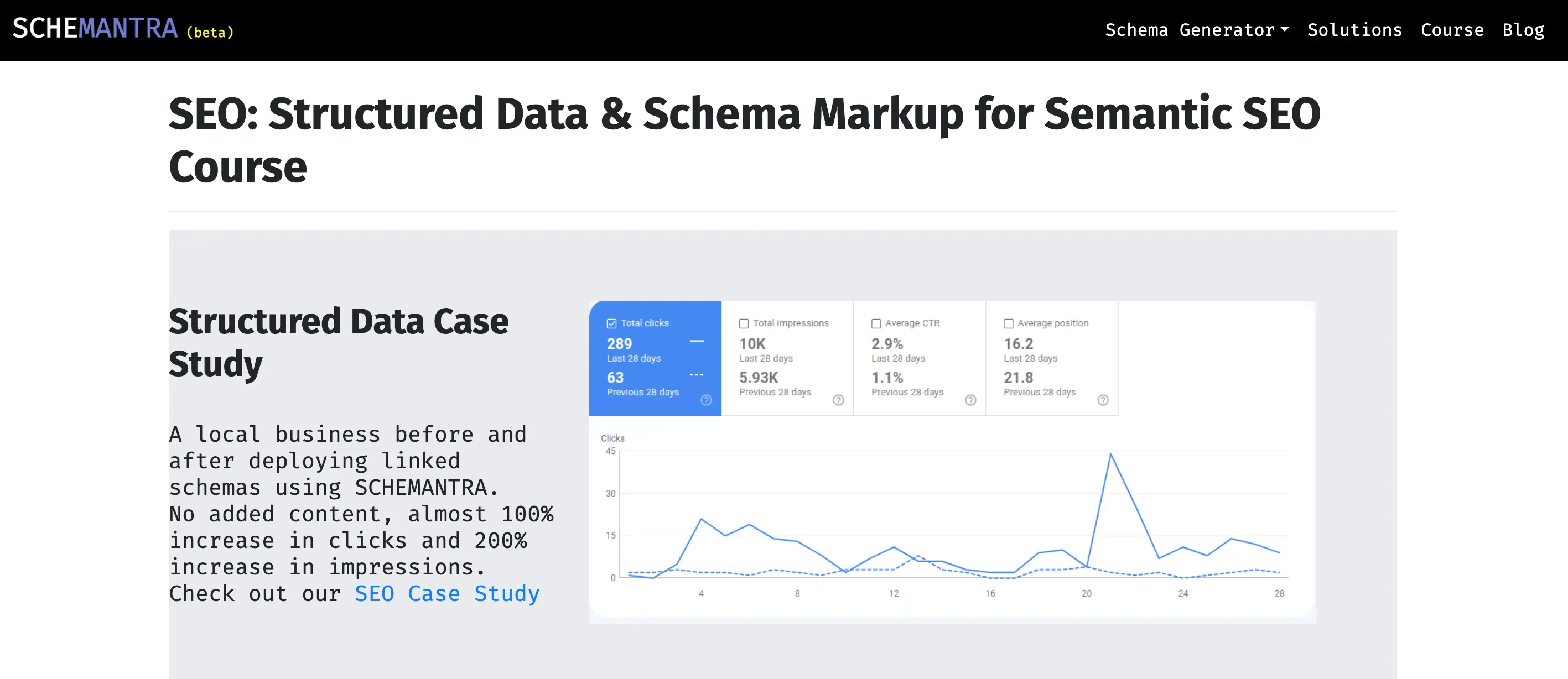
I've used Schemantra on various technical SEO projects to audit and correct structured data markup on several client sites. In professional use, its main strength lies in the clarity of its reports and the accuracy of the errors detected, which greatly facilitates optimization work. Its ability to analyze schema.org in depth and provide concrete recommendations is a real asset.
In an SEO context, Schemantra particularly stands out when it comes to managing complex microdata or JSON-LD schemas for e-commerce, blog or news sites, where the quality of markup strongly impacts visibility in search engines. The tool also offers an improvement tracker, a real plus for measuring the impact of corrections made.
However, Schemantra has a few limitations, notably in terms of automated integration with CMS platforms or the absence of complementary global SEO audit functionalities. It therefore remains a specialized tool to be used alongside other, more generalist SEO solutions such as Semrush or Ahrefs.
Is Schemantra really right for me?
The real question to ask is: do you need in-depth expertise in structured data to maximize your technical SEO? Schemantra answers precisely this need by providing a detailed diagnosis of schema.org markup, essential for those who want to optimize their visibility beyond simple keywords.
Whether you're an SEO consultant, a web copywriter integrating structured data, a digital marketing agency, an e-commerce site owner or a SaaS developer, Schemantra adds value by helping you make your pages more understandable to Google. In particular, the tool facilitates rich snippet optimization and compatibility with new search engine features.
Another major asset of Schemantra is its ease of use combined with pedagogical reports, making it accessible without requiring a development degree while still being powerful enough for SEO experts who want to save time.

Is Schemantra suitable for beginners?
Schemantra is accessible to beginners interested in technical SEO, as its intuitive interface simplifies the reading and interpretation of results. Despite the complexity of the topic of structured data, the tool offers clear explanations and easy-to-implement corrections.
For a beginner, using Schemantra can be an excellent way to learn schema.org markup and its impact on visibility in Google. The detailed reports provide a step-by-step understanding of the errors and optimizations to be made. It's an educational tool that should be kept on hand right from the early stages of technical SEO.
How much does Schemantra cost?
Schemantra offers a free version that lets you perform simple audits and test its basic functionality. This formula is ideal for small structures or for discovering the tool without commitment.
For advanced users or agencies, Schemantra offers an accessible paid package with several options: extended reports, mass analysis of several URLs, follow-up alerts and priority support. Pricing remains reasonable, suited to professionals who need a reliable, specialized tool without blowing their budget.
Rates are generally adjusted according to audit volume and specific team needs, making this tool flexible for independent consultants and larger SEO agencies alike.
What are Schemantra's key features?
Schemantra's number one key feature is the complete and accurate auditing of structured data according to schema.org standards. The tool detects markup errors, inconsistencies and missing data that can hinder search engines' understanding of pages.
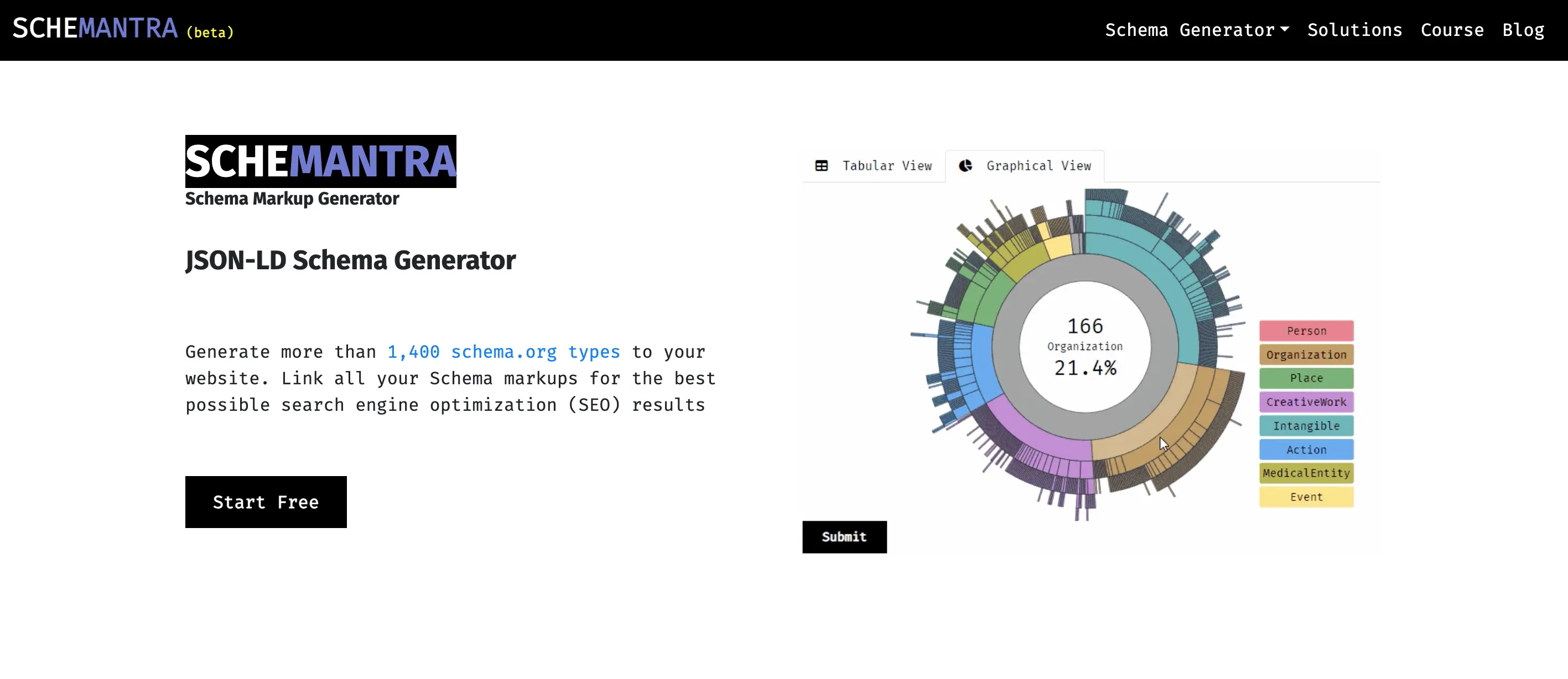
A second major feature concerns the generation and validation of JSON-LD schemas, a format highly prized for its compatibility with Google. Schemantra also makes it easy to visualize how Google interprets your markup, thanks to a clear, synthetic rendering.
Beyond basic functionality, Schemantra offers advanced analyses such as tracking corrections made to markup, detecting non-compliant data on multiple pages simultaneously and personalized recommendations for improving the site's overall semantic structure.
The tool also integrates well into SEO workflows with easy report exports, automated alerts in the event of new errors and API compatibility for linking with other SEO tools or CMS.
In terms of limitations, Schemantra remains, above all, a highly specialized tool for structured data markup. It does not offer a complete SEO audit encompassing backlinks, overall technical performance or keyword research, which may require the use of other complementary tools depending on the case.
Compared with giants such as Semrush, Ahrefs or SE Ranking, Schemantra lacks global functionality but focuses on a technical niche. Professionals therefore need to integrate it into an ecosystem of SEO tools to cover all aspects of natural referencing.
its advantages lie in the precision and depth of semantic analysis, while its disadvantages lie in the absence of broader auditing or position tracking functions. It is therefore a specialized but complementary tool, invaluable for projects requiring a fine mastery of markup.
FAQS
Is it reliable and secure?
Schemantra is renowned for its reliability in analyzing structured data and its constant availability. The service protects user data with high security standards and respects the confidentiality of audited sites.
Is it compatible with my other tools?
In terms of compatibility, Schemantra offers integrations with several popular CMS through plugins and it offers an API that facilitates connection with other SEO tools such as Google Search Console or Google Analytics to centralize SEO data.
Is there responsive customer support?
Schemantra customer support is accessible via email and online chat with fast response times. The service is appreciated for its professionalism and ability to provide precise solutions to users who encounter technical difficulties or need advanced advice.
What do other users think?
Users generally emphasize the accuracy of the audits, the clarity of the reports and the educational value of the tool. On the other hand, some regret the lack of extended SEO functionalities, and the need to use other tools as a complement.
Can I easily change later?
Users generally emphasize the accuracy of the audits, the clarity of the reports and the educational value of the tool. On the other hand, some regret the lack of extended SEO functionalities, and the need to use other tools as a complement.
Alternatives
.svg)

Specializing in business creation, sales and digital marketing, he puts his expertise at the service of users to help them identify the solutions best suited to their needs. Passionate about digital innovation and optimizing online performance, Alexis is committed to providing detailed, transparent and unbiased comparisons.
Do you have an entrepreneurial project?
We support you in the structuring and development of your tech project. Make an appointment with one of our Business Strategists.