


.avif)





.svg)



Should you be using BigCommerce in 2025?

.svg)
BigCommerce has established itself as one of the most comprehensive and robust e-commerce platforms on the market, particularly appreciated by web developers and agencies looking to rapidly deploy high-performance, customizable online stores. With an intuitive interface and a range of advanced features, BigCommerce meets the varied needs of merchants, from early-stage startups to well-established businesses looking to optimize their digital presence and online sales.
But the question arises: is BigCommerce really the best option for your e-commerce project in 2025? This article will give you a comprehensive overview of its strengths, limitations and suitability for different user profiles to help you make an informed decision.
My experience with BigCommerce
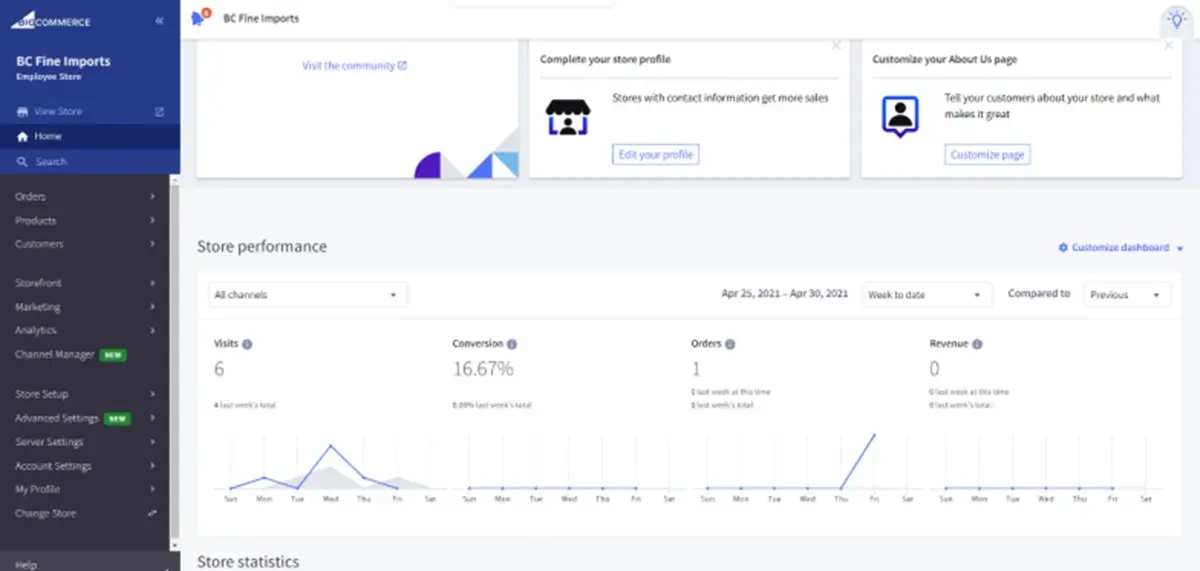
I've used BigCommerce for both personal and professional projects, particularly for online stores requiring fluid product and payment management. What I've particularly appreciated is the stability and functional richness of the platform, which makes it possible to cover a wide range of needs without requiring excessive development.
BigCommerce excels above all in contexts where you're looking for a turnkey solution with advanced customization possibilities thanks to third-party APIs and integrations. Its robustness facilitates the rapid launch of e-commerce sites with good native SEO and handy integrated marketing tools.
However, the platform presents certain limitations, notably in terms of cost for higher plans that can become onerous for smaller structures, and a moderate learning curve for developers unfamiliar with the proprietary framework. What's more, advanced customization requires precise technical skills.
Is BigCommerce really useful for my needs?
The real question to ask yourself before choosing BigCommerce is: what exactly is the profile of your e-commerce project? BigCommerce is ideal for companies looking for a solid platform with a wide range of integrated functionalities, without wanting to start from a totally developed from scratch solution.
Many personas can benefit from BigCommerce: for example, a web agency wishing to rapidly deploy customer stores with advanced customization options, a medium-sized merchant with a large catalog looking for high-performance management tools, or a startup wanting to test an e-commerce MVP with a controlled budget.
Another notable strength of BigCommerce lies in its native integrations with payment systems, marketing partners and analytics tools, which simplify management and business growth without multiplying custom developments.

Is BigCommerce suitable for beginners?
For a beginner, BigCommerce is positioned more as a solution with moderate handholding. The platform offers a clear interface, ready-to-use templates and well-structured guides that make it easy to get started without advanced technical skills.
However, some advanced features, such as customization in the code or API management, require specific knowledge. Nevertheless, novice users will appreciate the support offered and the stability of the environment for gradual learning and evolution.
How much does BigCommerce cost?
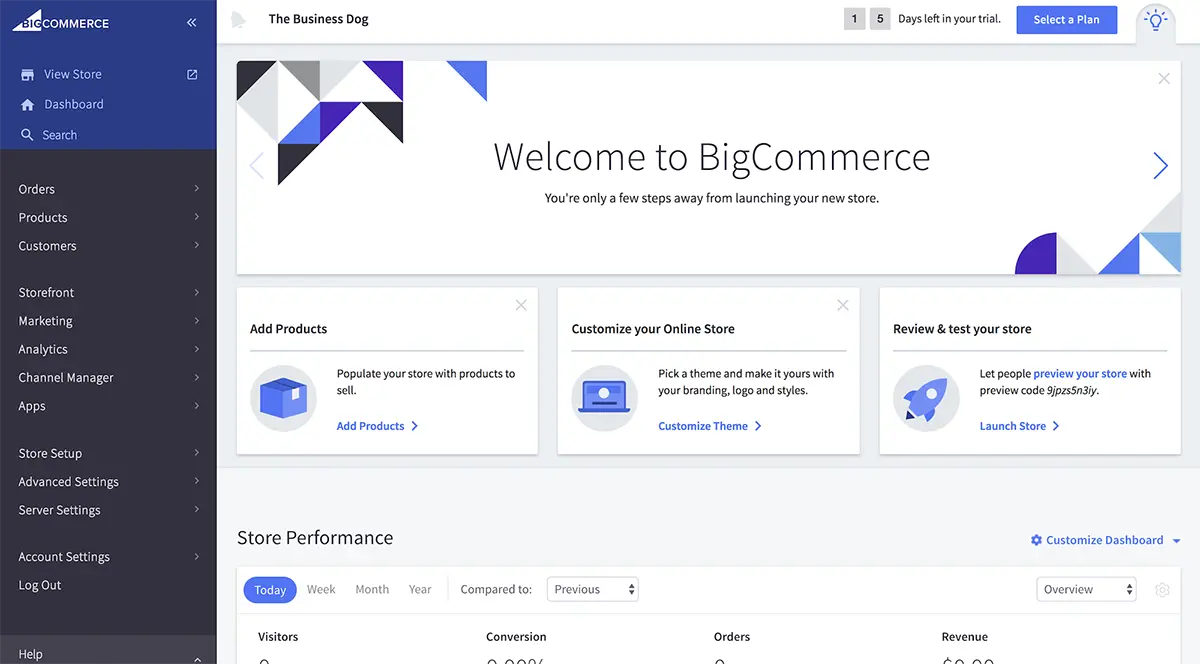
BigCommerce offers several packages to suit different user profiles. The Standard plan starts at around €29.95 per month, including all basic features such as catalog management, payment options, and 24/7 customer support. This plan is suitable for small stores or projects just getting off the ground.
For businesses with more advanced needs, the Plus and Pro plans, starting at €79.95 and €299.95 per month respectively, add features such as advanced marketing tools, customized reporting and greater integration capability. These plans are designed for growing stores or agencies managing multiple customers.
Finally, the Enterprise plan is a tailor-made solution, with pricing and features tailored to specific needs, especially for large companies or those in international e-commerce requiring optimal customization and scalability capabilities.
What are BigCommerce's key features?
One of BigCommerce's key features is its comprehensive product catalog management, making it easy to add, modify and organize a large number of SKUs with a variety of options (variants, prices, inventory). This management is optimized to support large catalogs with performance and reliability.
Another highlight is its high-performance native search engine optimization (SEO) engine offering customizable URLs, meta tags and an optimized structure to increase store visibility on search engines without the need for third-party extensions.
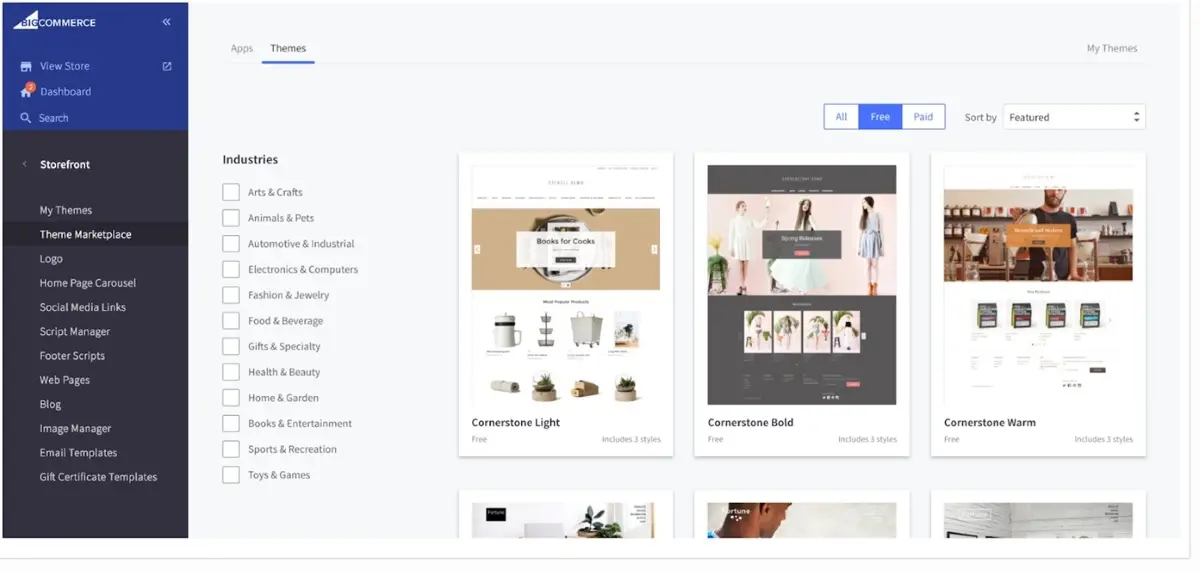
Among the advanced features, BigCommerce offers seamless integration of popular payment systems, making it easy to accept multiple methods without technical complexity. This integration is complemented by built-in analytics to track business performance and make data-driven decisions.
In addition, the platform offers a robust, well-documented API to enable developers to create custom experiences, integrate third-party services, and automate business processes, making BigCommerce a platform suited to the specific needs of complex projects.
BigCommerce's limitations mainly manifest themselves according to certain specific use cases. For ultra-customized needs or atypical business models, the platform can show constraints: advanced customization requires substantial technical mastery, and certain template or workflow limitations can hold back certain innovations.
However, it's important to bear in mind that competitors like Shopify, WooCommerce or Magento also bring their share of compromises, often around costs, technical complexities or scale. BigCommerce remains a solid and relevant choice, especially if you value stability and scalability.
In summary, BigCommerce offers an excellent balance between ease of use and functional power. Its major advantages include a secure infrastructure, seamless payment integration and deep marketing compatibility, while the drawbacks lie in the costs and limits of advanced customization to specific needs.
FAQS
Is it reliable and secure?
BigCommerce is a reliable and secure platform that focuses on data protection and compliance with e-commerce security standards. It uses robust protocols such as HTTPS for all transactions, ensures PCI DSS compliance for payment processing and offers regular backups to prevent data loss.
The platform is hosted on a secure cloud infrastructure, offering high availability and protection against common attacks such as DDoS. Automatic updates ensure that sites stay up to date with new vulnerabilities.
Is it compatible with my other tools?
BigCommerce is compatible with a wide range of systems and integrates standard formats for online commerce. It supports connection with numerous CMS, CRM and marketing tools via APIs, connectors and plugins. Data import/export formats are varied, facilitating migration and interoperability.
Thanks to this compatibility, developers can easily integrate BigCommerce within their customers' existing digital ecosystem, ensuring flexibility and scalability.
Is there responsive customer support?
BigCommerce customer support is available 24/7 via chat, phone and email, with generally fast response times. The teams are knowledgeable and focused on the efficient resolution of any problems encountered, whether technical or business-related.
In addition, BigCommerce offers an exhaustive knowledge base, tutorials and an active community to facilitate day-to-day self-help.
What do other users think?
BigCommerce user reviews generally highlight the platform's robustness, ergonomic interface and wealth of integrated features. Frequently mentioned positive points include the ease of product management, the quality of customer support and good SEO performance.
On the other hand, some users regret the higher cost of advanced plans and the complexity of certain customizations that require technical skills.
Can I easily change later?
BigCommerce user reviews generally highlight the platform's robustness, ergonomic interface and wealth of integrated features. Frequently mentioned positive points include the ease of product management, the quality of customer support and good SEO performance.
On the other hand, some users regret the higher cost of advanced plans and the complexity of certain customizations that require technical skills.
Alternatives

Specializing in business creation, sales and digital marketing, he puts his expertise at the service of users to help them identify the solutions best suited to their needs. Passionate about digital innovation and optimizing online performance, Alexis is committed to providing detailed, transparent and unbiased comparisons.
Do you have an entrepreneurial project?
We support you in the structuring and development of your tech project. Make an appointment with one of our Business Strategists.