


.avif)





.svg)



Should Appsmith be used in 2025?

Appsmith stands out as a powerful low-code/no-code platform that facilitates the rapid creation of in-house web applications by development teams and even non-technical users. This open-source solution makes it possible to build customized interfaces by connecting easily to various databases and APIs, drastically reducing traditional development time and simplifying maintenance. The tool is particularly adopted in environments where custom dashboards, management interfaces or operational tools need to be deployed rapidly.
Faced with the rise of low-code platforms to accelerate digital transformation, how is Appsmith positioning itself among the market leaders? We'll explore its potential, its strengths and also its limitations to help you determine whether it's relevant to your projects in 2025.
My experience with Appsmith
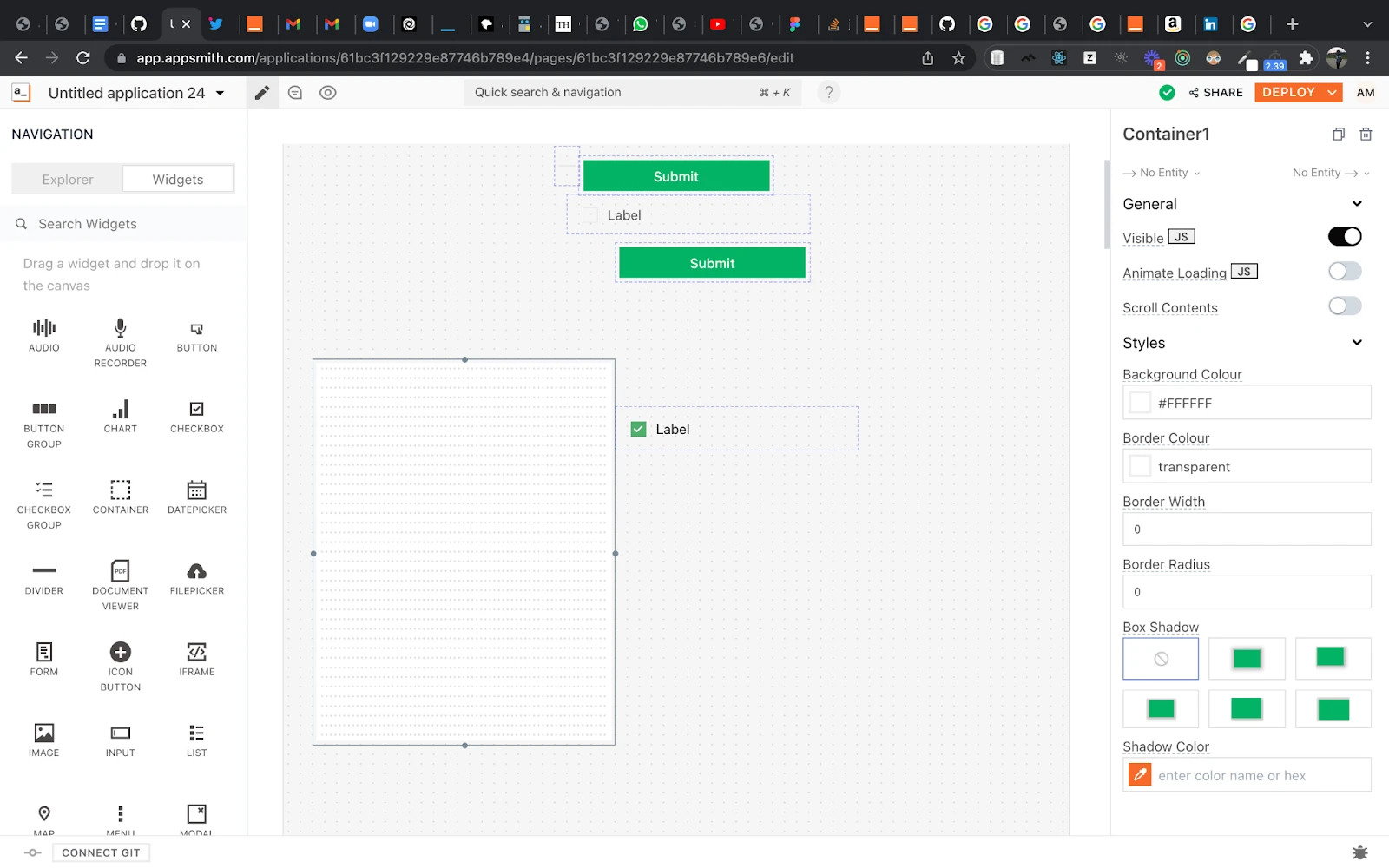
In my professional use, I've exploited Appsmith mainly to quickly develop customized internal tools, such as administrative dashboards and simplified CRMs. What stands out most is the ease with which you can integrate different data sources, which is a major strength of the tool. It's quick to get to grips with, and the fact that it's open source adds considerable flexibility for adapting the tool to specific needs.
Appsmith particularly excels in contexts where web interfaces for team management or operational monitoring need to be built and modified frequently, without mobilizing a full team of developers. This promotes agility and responsiveness on the part of business teams.
However, its limitations appear with projects requiring complex business logic or highly customized interfaces beyond standard widgets. Low-code architecture can show its limits beyond a certain technical complexity, forcing us to consider complementary solutions for certain advanced cases.
Is Appsmith really useful for my needs?
The real question to ask is whether your project benefits from a low-code solution capable of accelerating the implementation of in-house applications while remaining sufficiently flexible. Appsmith clearly targets this need, offering an intuitive interface coupled with features adapted for rapid prototyping, dashboards, or customized business tools.
Personas who can benefit from Appsmith include: digital project managers requiring rapid prototyping, developers wishing to automate internal tools without starting from scratch, or operational managers wanting direct control over their tools without depending on IT teams. Each profile will find in Appsmith a way to save time and reduce development costs.
Another undeniable strength is Appsmith's compatibility with numerous databases and APIs, ensuring seamless integration into a variety of IT environments. This reinforces its usefulness for a variety of business needs.

Is Appsmith suitable for beginners?
Appsmith is pretty well suited to novice developers or non-technical users who want to quickly create in-house applications. Its drag-and-drop interface, combined with pre-designed widgets, makes it easy to set up without requiring a big code background. What's more, documentation is comprehensive, and the active community can quickly guide new users.
This facility lowers the barrier of entry to developing in-house tools, which is ideal for small teams or departments that want to be autonomous without relying on dedicated developers for every need.
.How much does Appsmith cost?
Appsmith is offered primarily as a free open source solution, making it a very attractive choice for developers and cost-conscious organizations. This package covers key functionality and allows unlimited use without subscription.
For users wishing to take advantage of managed cloud hosting, paid packages exist, with plans tailored to the needs of larger teams or companies looking for dedicated technical support. These packages are priced according to the number of users and hosting capacity, but remain competitive compared to traditional low-code platforms.
What are Appsmith's key features?
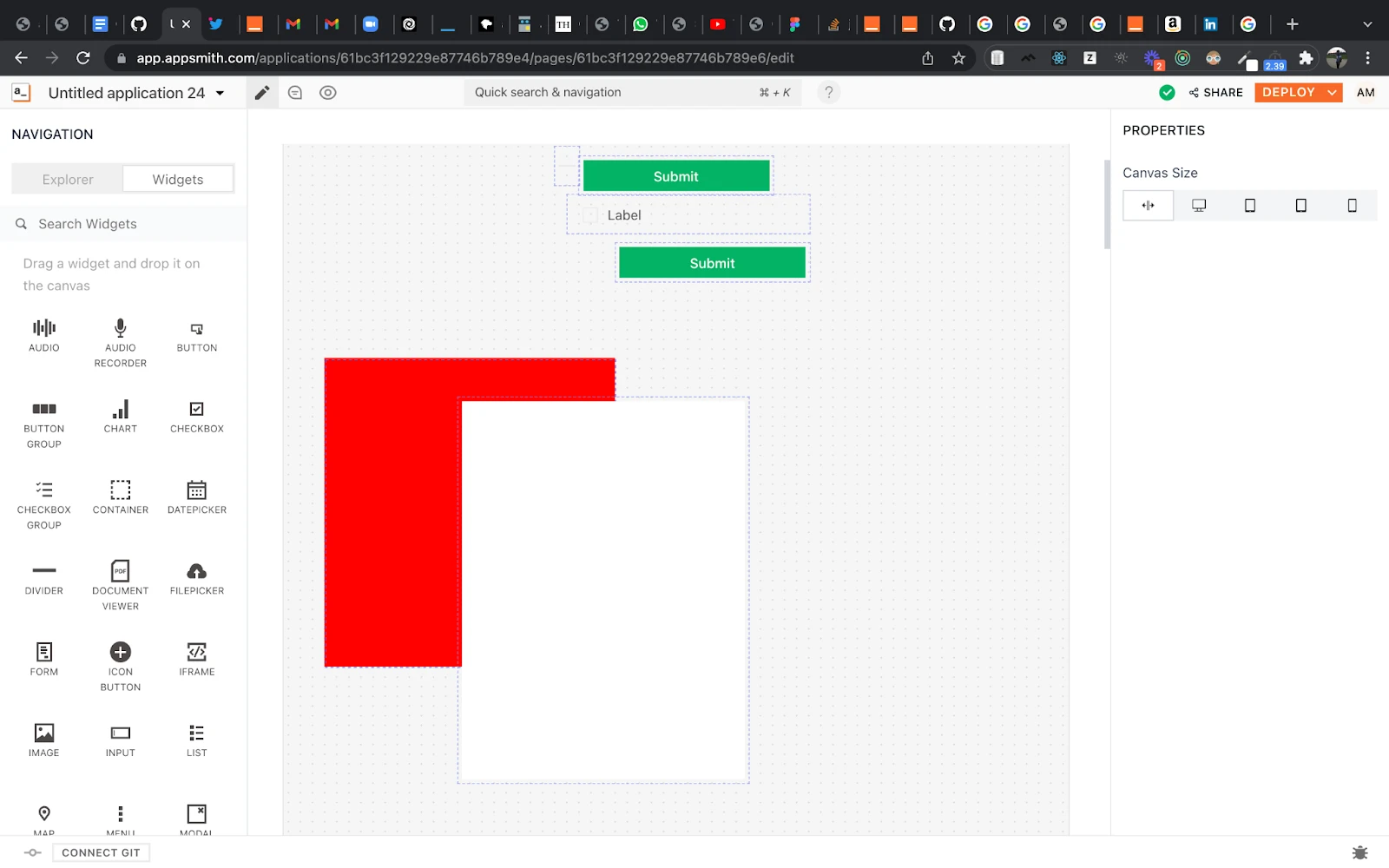
Appsmith's first key feature is its drag-and-drop visual interface builder. This enables the rapid creation of dashboards, forms, lists and buttons with a minimum of code, while offering the flexibility to write JavaScript to customize behaviors if required.
Another major strength is its ability to connect easily to a wide variety of databases (MySQL, PostgreSQL, MongoDB, etc.) and REST or GraphQL APIs. This simple integration facilitates the creation of business tools interconnected with existing systems.
Among its advanced features, Appsmith enables multi-level management of user permissions, guaranteeing precise access control according to roles. This is essential for internal applications that require differentiation between editing and viewing rights.
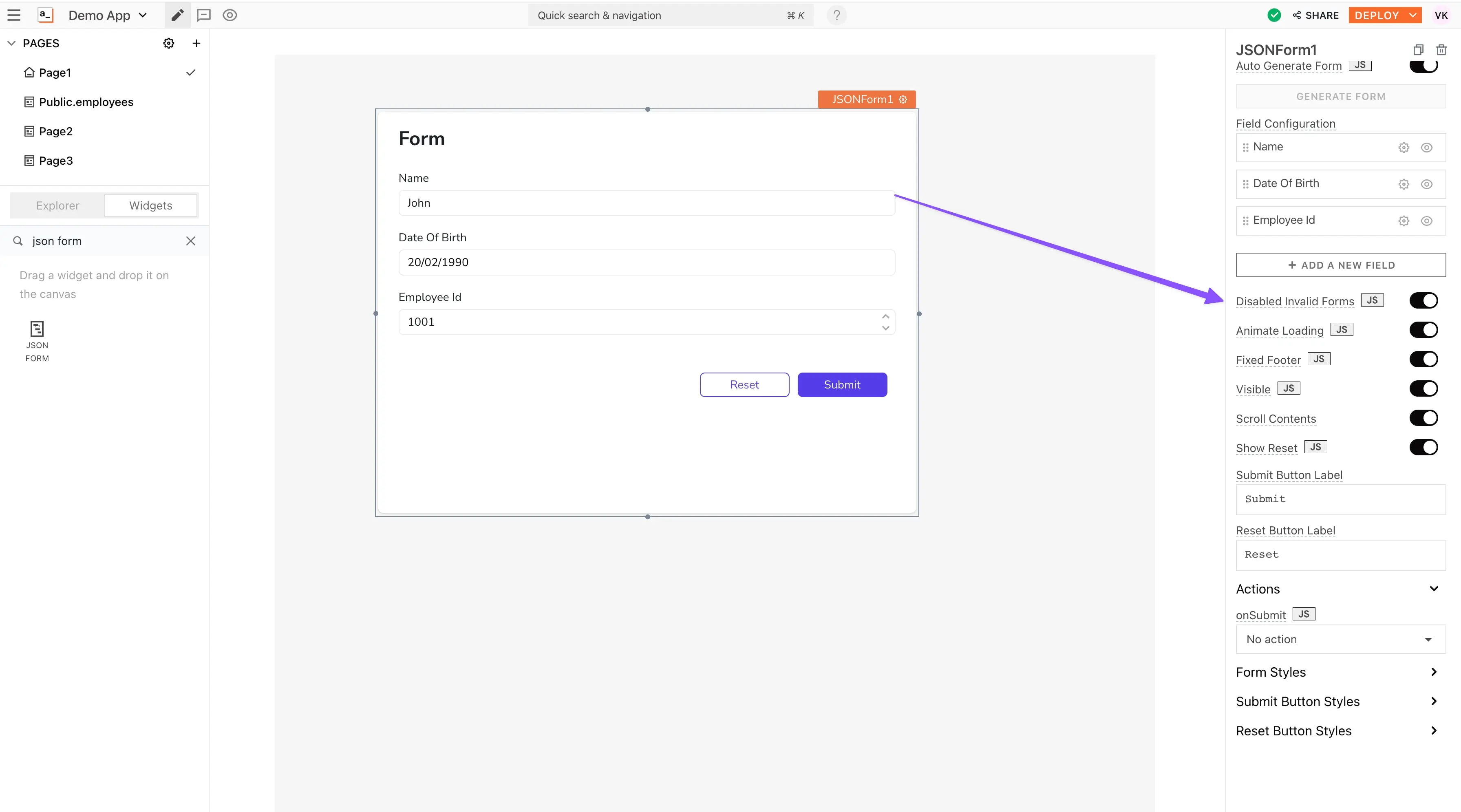
Furthermore, the tool offers a system of triggers and automations, enabling actions to be chained together in response to user events, such as the submission of a form or a click on a button. This capability greatly enhances the interactivity of the applications built.
Appsmith is showing its limitations particularly in managing applications requiring complex business processes or highly advanced personalized interactions. For consumer-oriented solutions or highly specific graphical interfaces, the tool becomes less suitable.
In comparison, other low-code platforms such as Retool or OutSystems can offer a wider range of advanced features, albeit sometimes at the cost of greater complexity or higher paying licenses. Staying positive, Appsmith retains the advantage of open source and a strong community, which can be a real asset compared to some closed or highly vendor-dependent ones.
In summary, Appsmith's major advantages lie in its ease of use, openness and zero cost, while its disadvantages concern its limitation when faced with highly customized or complex projects requiring robust integrated business logic.
.FAQS
Is it reliable and secure?
Appsmith benefits from a robust architecture that relies on modern standards to ensure the reliability and security of the applications created. The tool supports connection encryption via HTTPS, uses standard authentication protocols and offers role and permissions management to secure data access.
As an open source solution, Appsmith can also be audited at any time by technical teams, and benefits from an active community that regularly contributes to its improvement and the rapid correction of potential vulnerabilities.
Is it compatible with my other tools?
Appsmith supports a wide range of relational and NoSQL databases, as well as numerous HTTP APIs. Its flexible architecture makes it easy to integrate systems in REST, GraphQL, SQL and even JSON files. What's more, it offers an API for extending its functionality or connecting external services for a complete workflow.
Is there responsive customer support?
Appsmith customer support is provided primarily via a dynamic community, including a forum, Discord chat and extensive online resources. For enterprise customers using managed hosting, dedicated technical support with guaranteed response times is offered.
This community-based approach is highly responsive for common problems and usage-related issues, even if the level of support is less formalized in free tier.
What do other users think?
User reviews overwhelmingly highlight Appsmith's ease of use and speed of implementation as its key strengths. The tool is appreciated for its openness, open source model and integration capability. On the other hand, some users regret limitations on advanced customization and the management of very complex cases, which correspond well to typical low-code constraints.
Can I easily change later?
User reviews overwhelmingly highlight Appsmith's ease of use and speed of implementation as its key strengths. The tool is appreciated for its openness, open source model and integration capability. On the other hand, some users regret limitations on advanced customization and the management of very complex cases, which correspond well to typical low-code constraints.
Alternatives
.svg)

Specializing in business creation, sales and digital marketing, he puts his expertise at the service of users to help them identify the solutions best suited to their needs. Passionate about digital innovation and optimizing online performance, Alexis is committed to providing detailed, transparent and unbiased comparisons.
Do you have an entrepreneurial project?
We support you in the structuring and development of your tech project. Make an appointment with one of our Business Strategists.