.avif)




.svg)
.svg)



Table of Contents


Published on
14/9/26
-
5 min
Maybe a developer on your team mentioned it in a meeting. Or a competitor just launched an MVP in three weeks instead of three months. The term is spreading fast, and for a simple reason: it describes a very real, powerful practice that is risky if approached without a method.
This article gets straight to the point: what vibe coding is, how it works, and how to use it without turning your product into technical debt.
Vibe coding involves describing what you want in natural language and letting an AI generate the code instead of writing it yourself. No syntax to master, no frameworks to memorize: you state an objective, a large language model (LLM) produces the code, and you test and adjust.
The term was coined by Andrej Karpathy, an AI researcher and former Director of AI at Tesla, in a post on X in February 2025. His logic can be summed up in one sentence: you drive by intent rather than syntax. You set the goal, and the AI handles the implementation. You may also see it written as "vibecoding" as one word, which refers to the exact same thing.
Key takeaway : vibe coding is generating code by describing your needs to an AI in natural language, rather than writing it line by line.
No-code and low-code assemble pre-built blocks with fixed logic. Vibe coding, on the other hand, generates actual code that is infinitely customizable but requires technical validation. More freedom on one side, more responsibility on the other.
Here is how the three approaches compare:
Vibe coding moves in short loops: you describe an intent, the AI generates, you test, you correct, and you repeat until you get the right result.
The cycle can be summarized in four steps:
What separates a solid result from a fragile one is the context you provide to the AI: your architecture, your conventions, and your security and performance constraints must be in the prompt, not just in your head. Formulating these instructions well is a skill in its own right, and the result also depends heavily on the tool you choose.
For a business, only one of these two modes is viable: AI-assisted development, where you guide, test, and take ownership of the code produced. Pure vibe coding, which trusts the result without examination, should be reserved for disposable prototypes.
This is the distinction made by Google Cloud, and it is fundamental for any leader: the question is not "did the AI write the code," but "who remains in control of what goes into production."
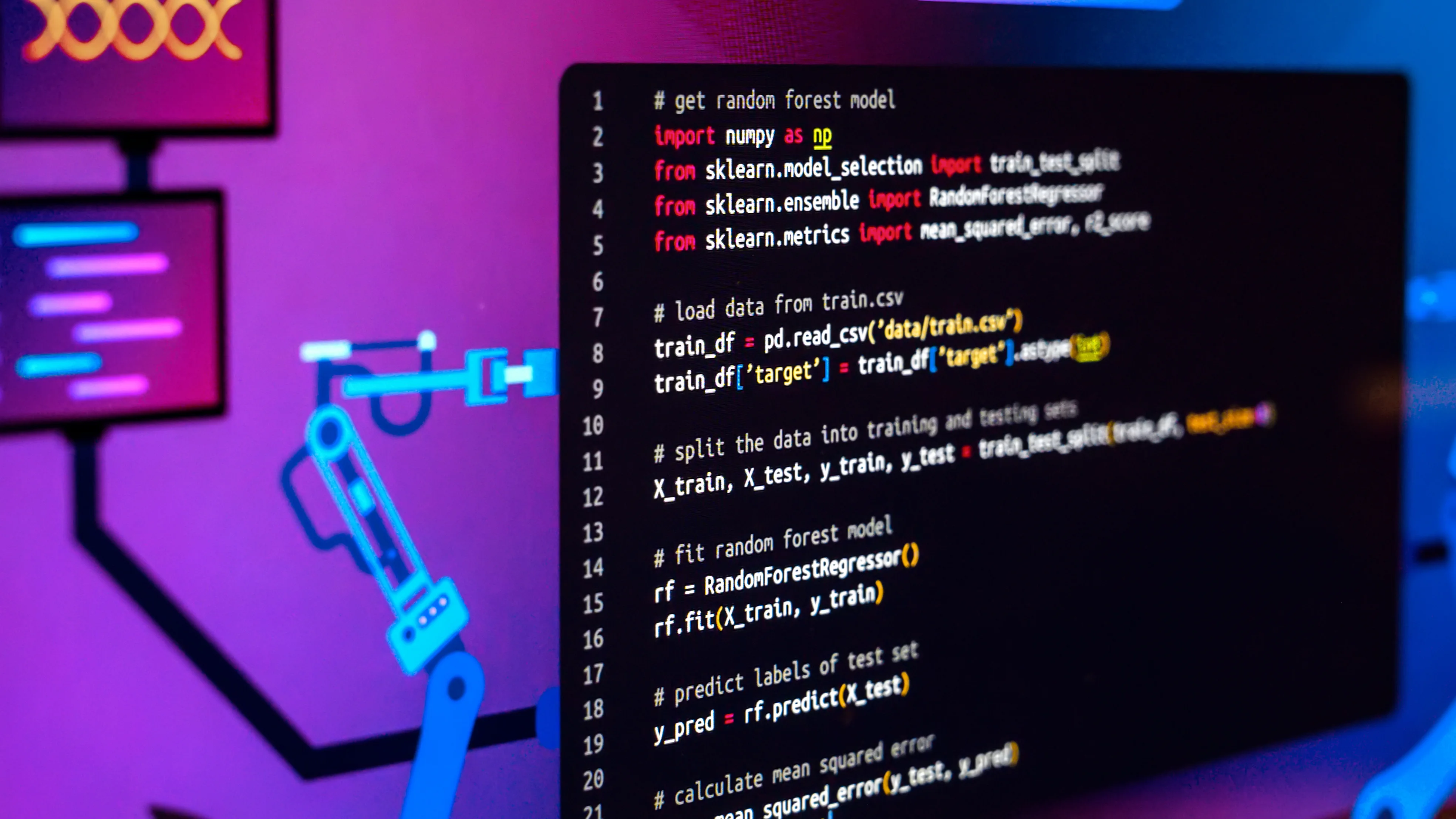
For prototypes, MVPs, CRUD interfaces, and automation scripts, vibe coding is a real accelerator. Its goal, as Cloudflare summarizes, is to launch operational applications and features faster. For these standard use cases, the time savings are tangible.
However, two areas require vigilance. Complexity first: in a distributed architecture or with specialized business logic, code generated without deep understanding quickly becomes difficult to maintain. The security aspect follows: code produced by AI often bypasses reviews and checks, creating what IBM calls security debt—invisible until the day it is exploited.
Key takeaway : vibe coding is only an accelerator if testing, human review, and security are integrated from the start, not added after the first bug in production.
To generate a simple prototype , no. To steer, validate, and maintain a product in production, yes. Without a minimal understanding of the code produced, it is impossible to evaluate its quality or fix what goes wrong. This is precisely where a partner like Easyweb steps in, by framing AI generation within a real software development process.
Vibe coding changes the speed at which you go from an idea to functional code. That is real. But generation speed and reliable delivery speed are two different things, and what separates them comes down to one word: framework. Context, testing, review, security.
The real question to ask yourself: in your current cycle, at what point does quality control come into play—before deployment or after the first incident? If you want to structure a reliable AI workflow, from idea to deployment, let's talk about your project.
Will vibe coding replace developers?
No. It shifts their role toward steering, validating, and securing the generated code. Technical expertise remains essential as soon as a product needs to be production-ready.
How long does it take to build an MVP using vibe coding?
A few days to a few weeks depending on complexity, compared to several months with traditional development. However, you must precisely define the scope of the MVP before starting the generation process.
Is vibe coding suitable for a production-ready project?
Yes, provided you include automated testing, human review, and security audits. Without this framework, technical debt will accumulate.
Where can I learn vibe coding?
Between tool documentation, communities, and dedicated training programs, resources are growing rapidly. The key is to practice on a concrete, low-stakes project before aiming for production.