.avif)





.svg)



Table of Contents


Published on
5/3/26
-
5 min
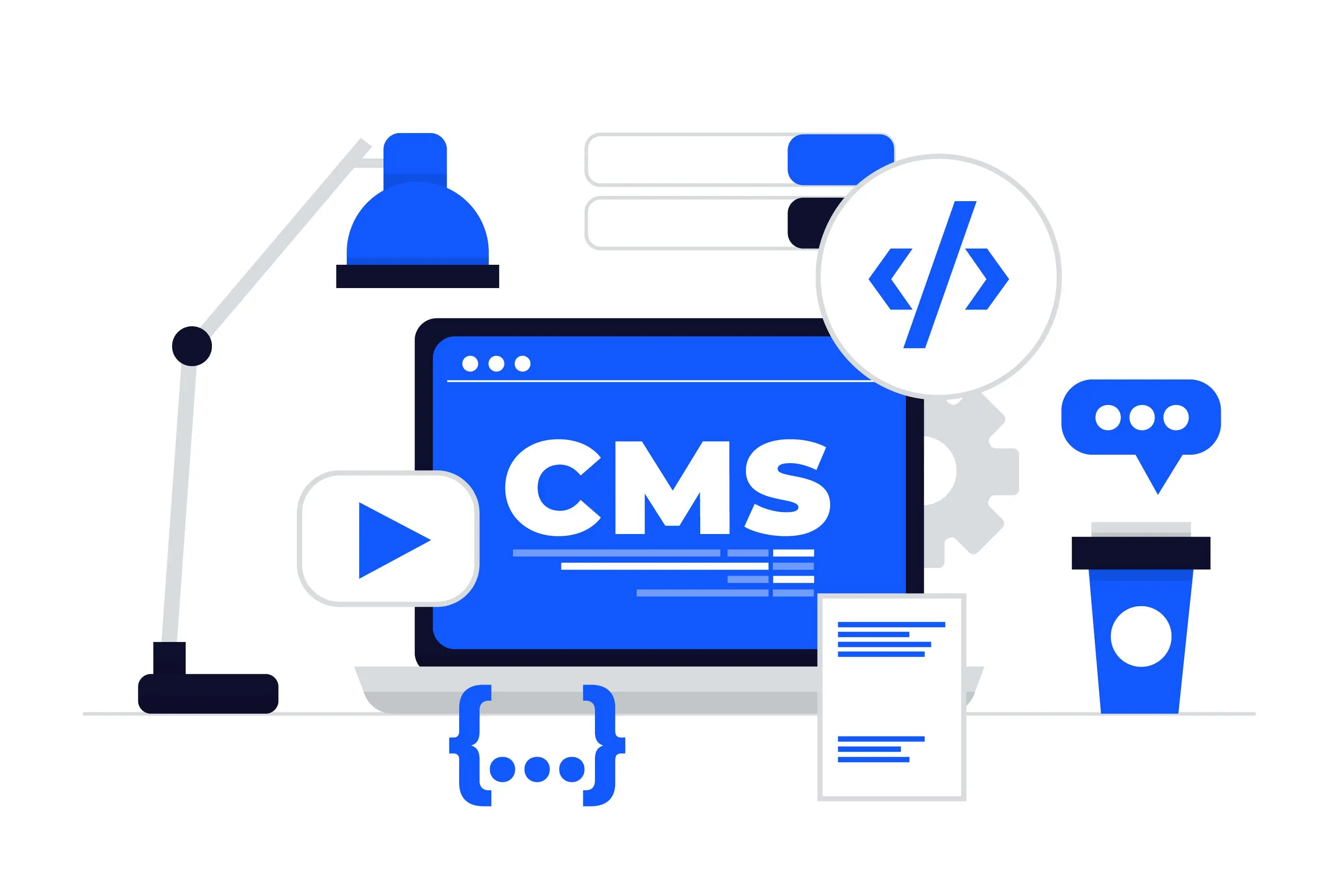
In this guide, we compare Webflow, WordPress, and other specialized solutions to help you create an optimized web page with a design tailored to the user experience, effective CTAs above the fold, and features designed for digital marketing and inbound marketing.
In our article How to Create a Landing Page That Really Converts, we looked at the essential elements for turning a visitor into a lead. The tool you choose to design your landing page plays a key role in your strategy's ability to generate conversions.
Webflow is a visual builder that allows you to create unique landing pages tailored to your brand identity and your B2B or e-commerce goals. The available templates make it easy to get started, while giving you the freedom to fully customize the visuals, call-to-action buttons, and page architecture.
With its precise code control and SEO options, Webflow helps drive traffic from search engines. You can easily integrate forms, media, thank you pages, or email automations via your CRM.
WordPress is an ideal solution if your website already includes a blog or a home page optimized for SEO. With plugins like Elementor or Divi, you can design landing pages that convert, with strategically placed CTAs, a clear funnel, and optimized forms.
The advantage of WordPress lies in its ecosystem: integration with marketing automation tools, email and newsletter management, creation of white papers or downloadable ebooks, performance tracking via Google Analytics, and compatibility with Google AdWords or social media campaigns.
Platforms such as Unbounce, Instapage, and Leadpages are designed for pure digital marketing. They offer pre-optimized templates, A/B testing, click and conversion rate tracking, and native integrations with your Google Ads campaigns and CRM.
These tools are particularly effective for B2B and high-value-added e-commerce campaigns. They facilitate the rapid implementation of a landing page dedicated to a product, white paper, or specific offer, while optimizing the user experience and speed of publication.
To help you decide between these two CMSs, we have selected this video for you. It explains the advantages and limitations of both tools.
The choice depends on your objectives and marketing strategy:
Consider the position of CTAs (call-to-action buttons, forms) above the fold, keyword consistency, and integration with your funnel and marketing automation to effectively capture and convert each lead.
A high-performing landing page is a powerful lever for your digital strategy, whether it's to collect emails, download an ebook, generate e-commerce sales, or convert B2B leads. The tool you choose should allow you to optimize your keywords, SEO, visuals, and CTAs to achieve the best conversion rate.
To go further: