.avif)




.svg)



Table of Contents


Published on
5/3/26
-
5 min
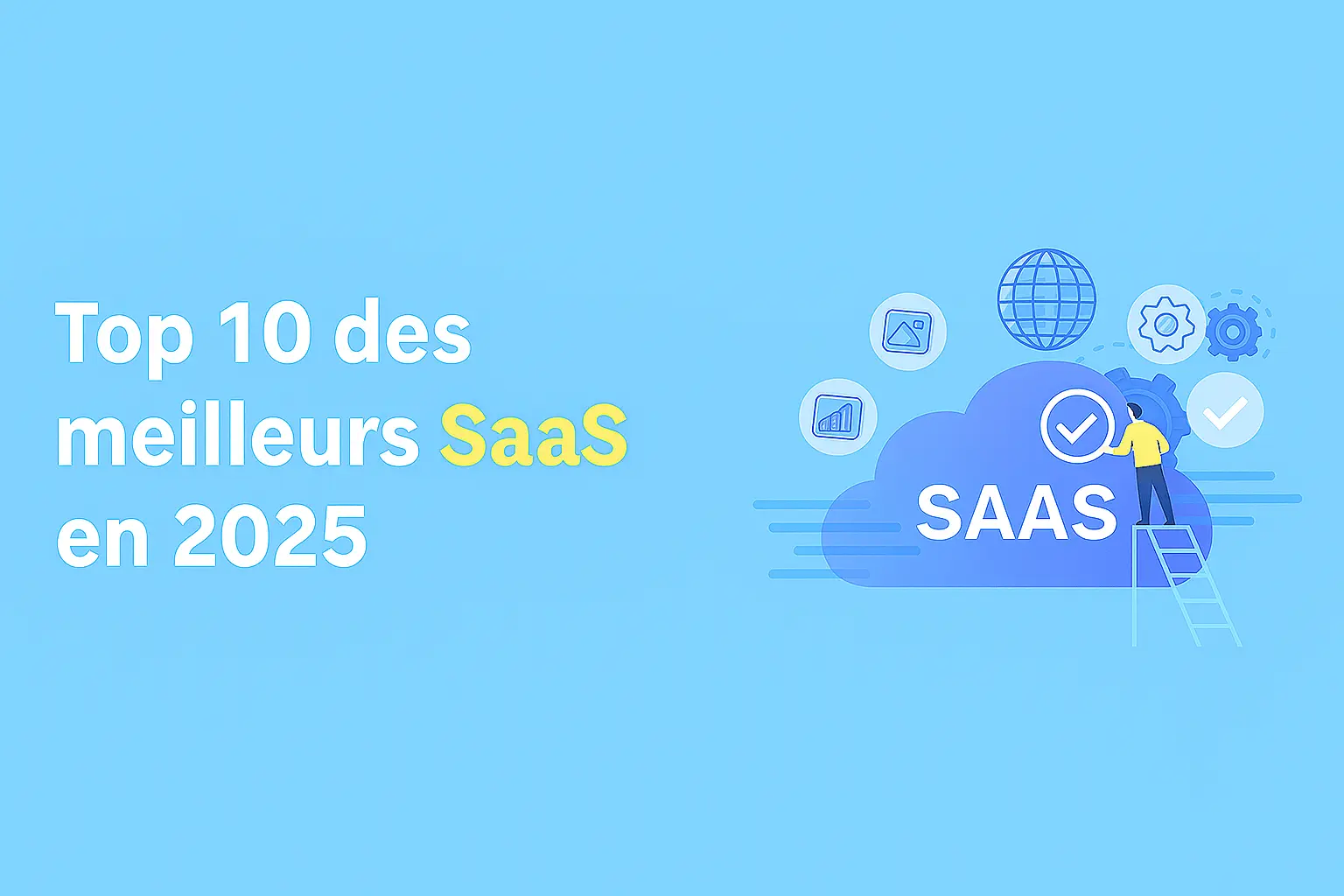
SaaS (Software as a Service) software has become essential for businesses today, whether they are SMEs, startups, or large companies. Hosted in the cloud and often accessible via a simple web browser, these solutions enable centralized management, task automation, customer data structuring, enhanced collaboration, and streamlined business processes. This model, which is more flexible than traditional software, is particularly well suited to sales teams, support functions, marketing departments, and IT departments.
But how do you navigate the abundance of offerings? CRM, ERP, sales management, customer relationship tools, marketing automation, databases: the uses are many, as are the needs. This article offers a selection of the 10 best SaaS software programs currently available, chosen for their performance, agility, user experience, and ability to adapt to your business.
And if you're still wondering "why SaaS software in 2025," our article on the top 5 reasons to develop SaaS software should help. If you're considering a specific project with complex business needs or a scalable modular approach, you'll find the keys to designing a customized software solution.
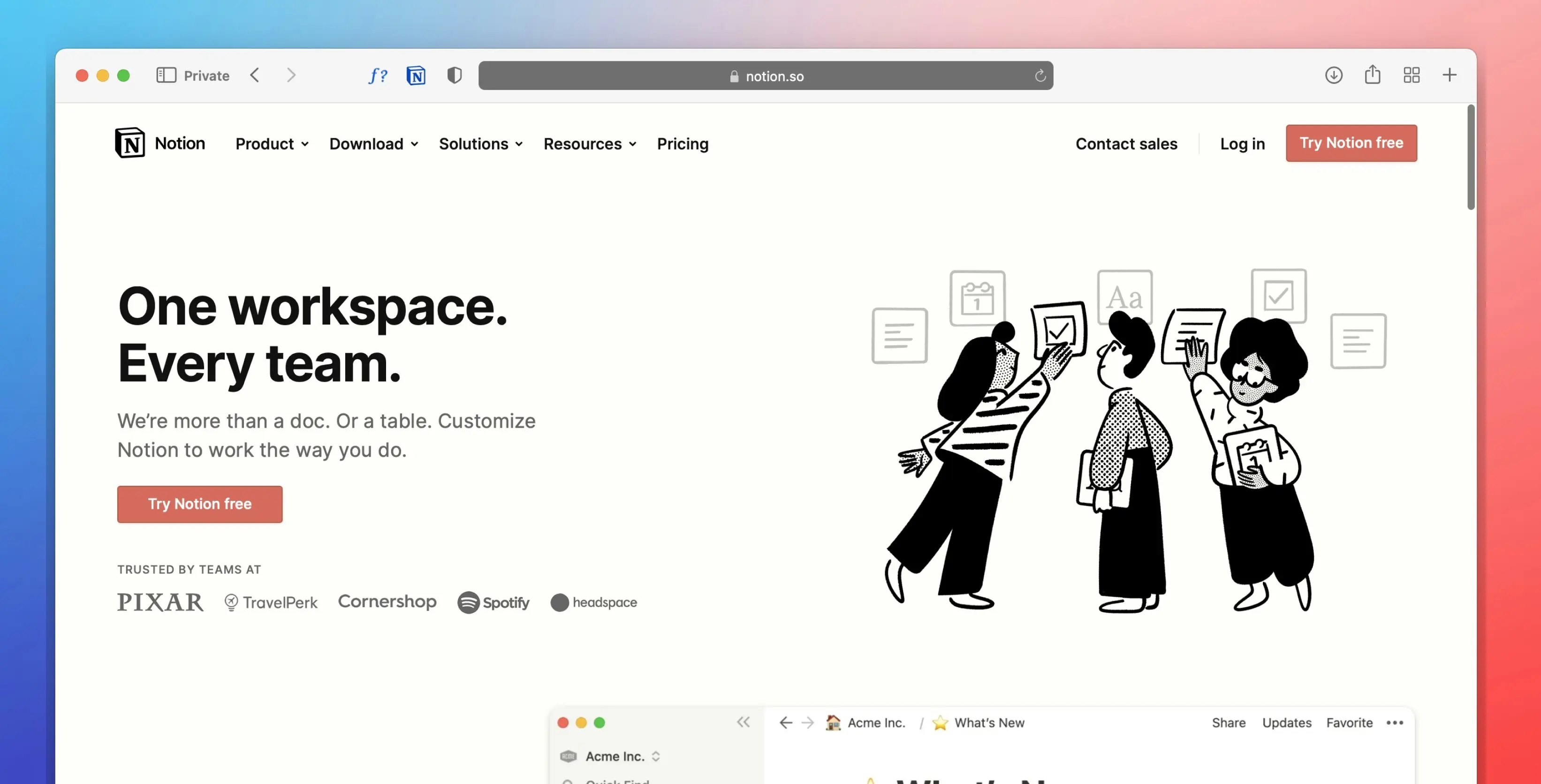
Notion combines notes, databases, task management, dashboards, and internal wikis in a fully customizable cloud computing tool. It is a true business management software, adaptable to almost any use case.
Its intuitive interface allows teams to structure their knowledge base, create a project repository, document workflows, or set up a lightweight CRM. Highly appreciated for its flexibility, Notion is also compatible with integrations such as Mailchimp, Zapier, and Slack.
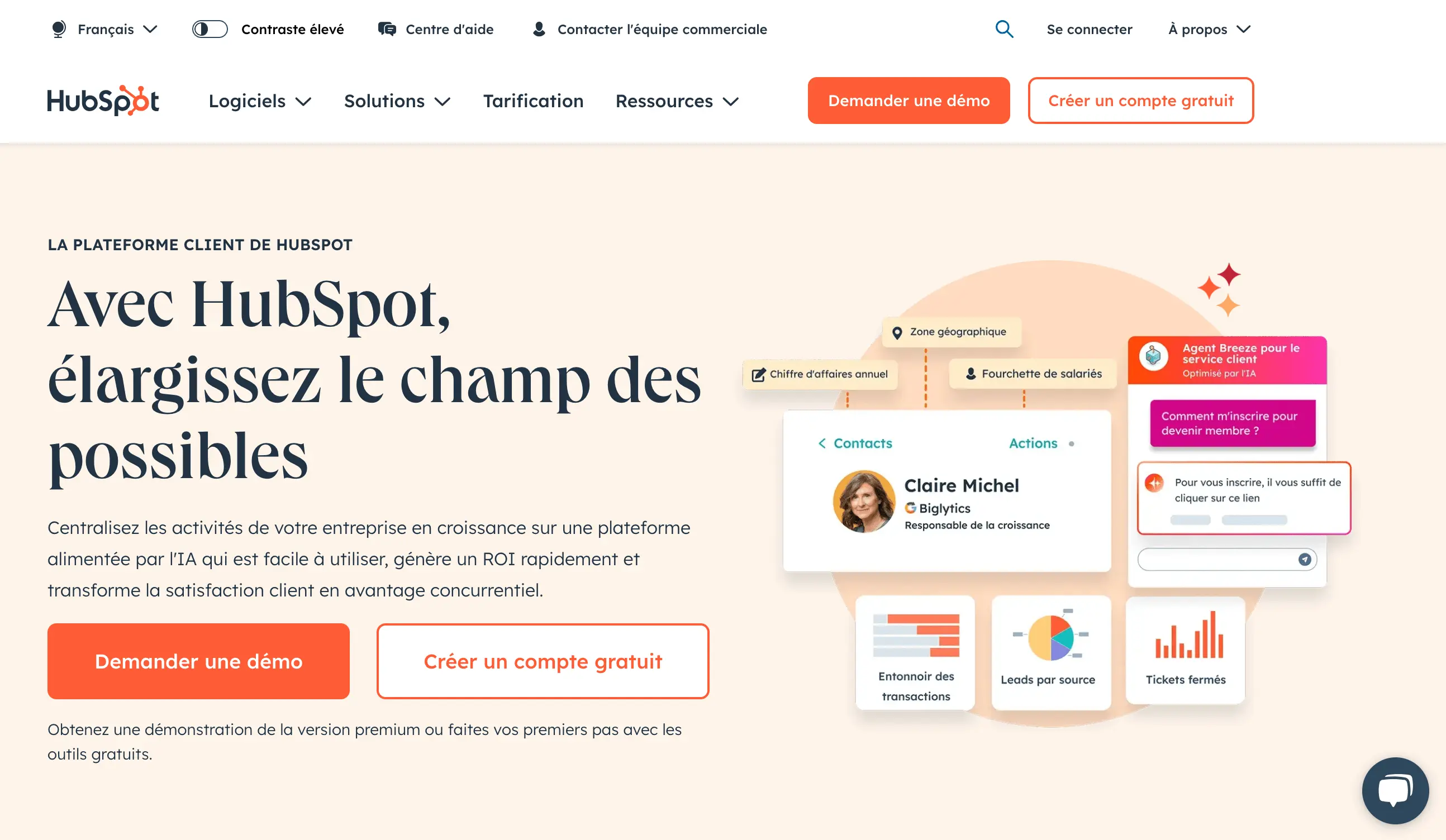
HubSpot offers an all-in-one cloud CRM that combines contact management, marketing campaigns, emailing, lead scoring, automation, and sales tracking (pipeline, follow-ups, segmentation). It is aimed at small and medium-sized businesses as well as B2B companies looking to structure their CRM system without complex implementation.
Its marketing automation, lead management, form creation, analytical reporting, and ROI tracking features make it a comprehensive software solution that is compatible with environments such as Salesforce, Dynamics CRM, and Magento.
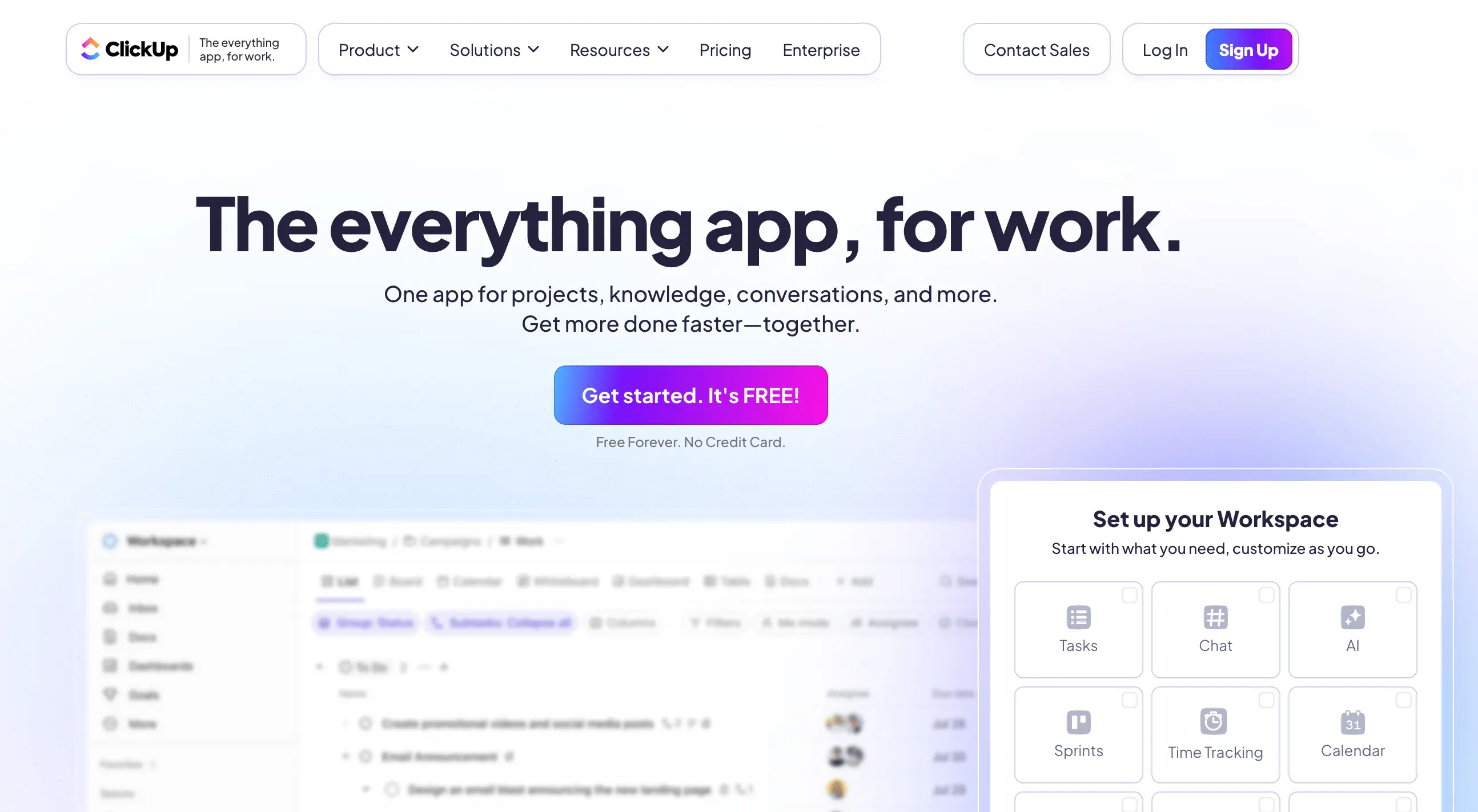
ClickUp is a versatile project management solution, with Gantt charts, Kanban boards, calendars, documents, notifications, automations, and custom dashboards. It allows you to efficiently manage every project, from marketing to development, via a centralized and responsive cloud interface.
Used by product, HR, support, and IT teams, it integrates seamlessly with third-party tools (email, CRM, ERP, Zapier, etc.) to synchronize tasks across the entire information system.
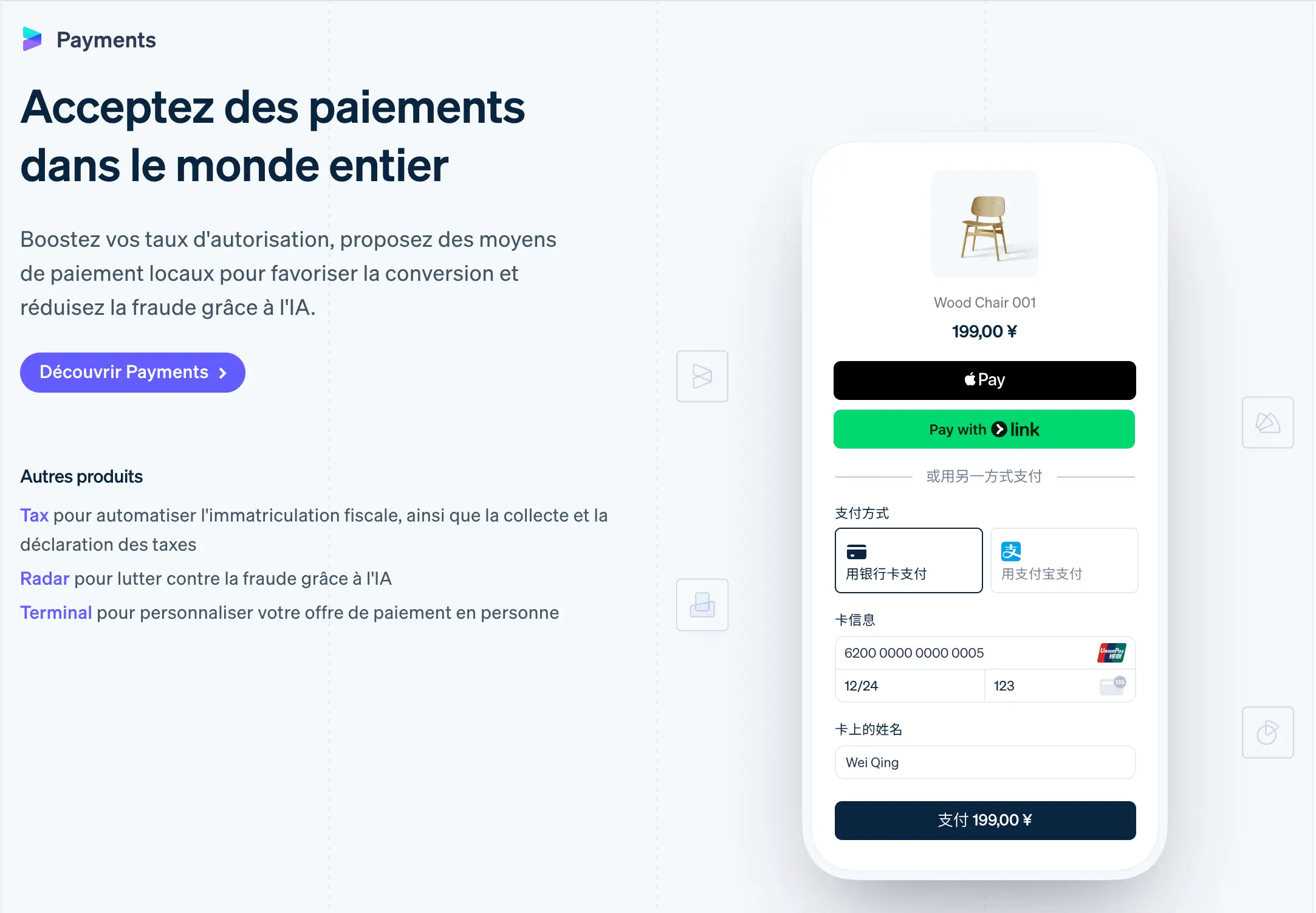
Stripe is a cloud computing platform specializing in e-commerce transactions, recurring payments, and automated billing management. Its flexible API allows for rapid deployment with continuous integration with CRM, ERP, or sales management software.
Its dashboards provide detailed tracking of the sales cycle, conversion rates, and payment incidents. Stripe is used by SaaS companies, marketplaces, and financial automation players.
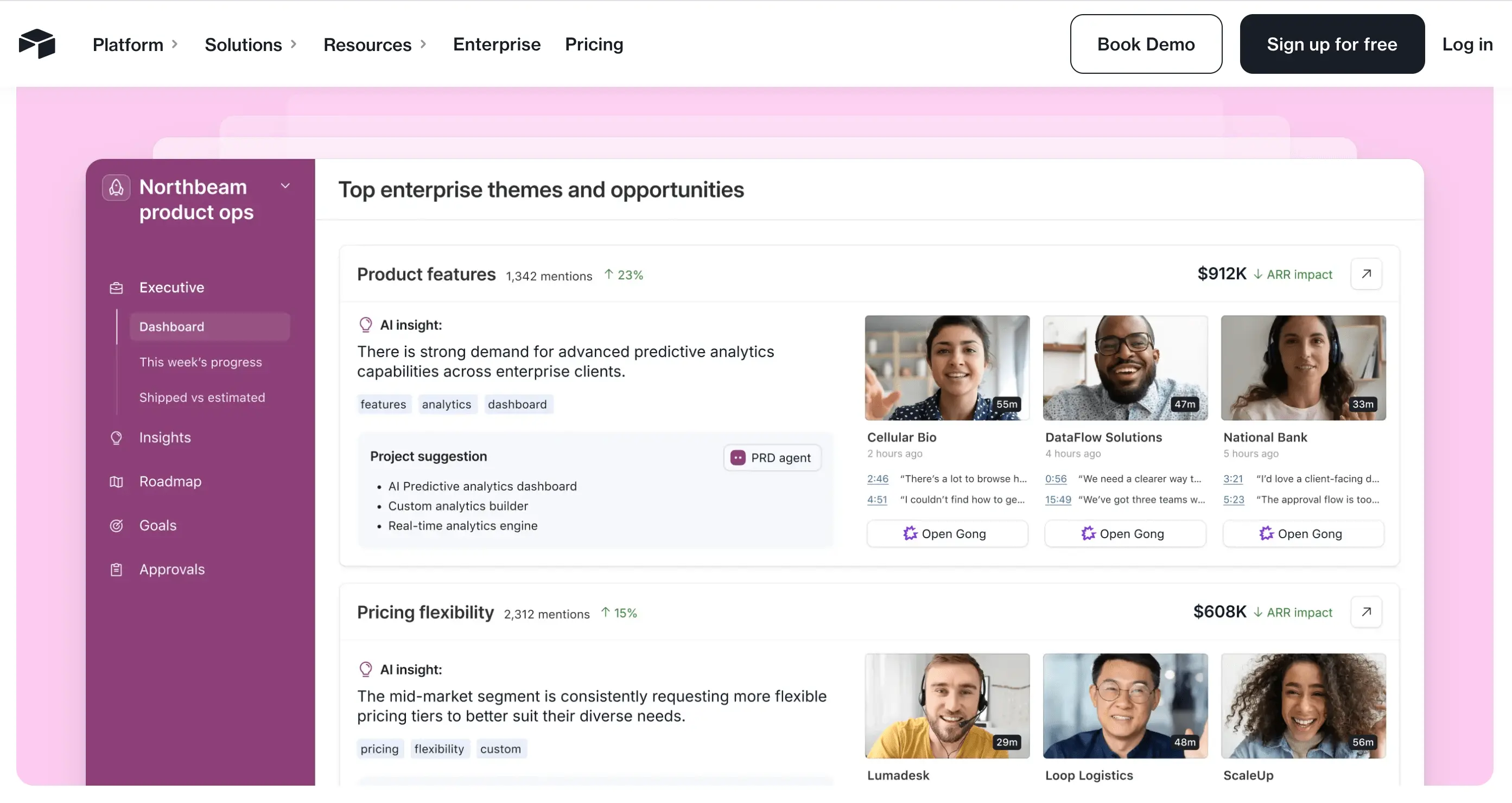
Airtable allows companies to develop customized CRM applications via an intuitive interface. Perfect for structuring customer data, managing campaigns, content, schedules, or internal processes, it offers a mix between Excel, Trello, and an SQL database, hosted in the cloud.
Its view system (Kanban, calendar, gallery) makes it compatible with simple CRM uses, marketing workflows, and collaborative management.
Webflow is a SaaS web editor that allows you to design websites, conversion pages, or even responsive extranets without writing a single line of code. It is particularly appreciated by agencies and integrators for its centralization of design, SEO structure, CMS, and hosting.
Connected to CRMs (HubSpot, Zoho), analytics tools (GA4, Hotjar), forms, and automated workflows, it saves considerable time for teams in charge of customer experience.
Zapier connects more than 6,000 software applications (ERP, CRM, CMS, Google Sheets, mailing, emailing, e-commerce, etc.) without coding. It allows you to create custom automations called "Zaps" that reduce manual tasks, speed up data synchronization, and promote responsiveness within teams.
Ideal for unifying customer data management, linking CRM to billing, or automating follow-up campaigns.
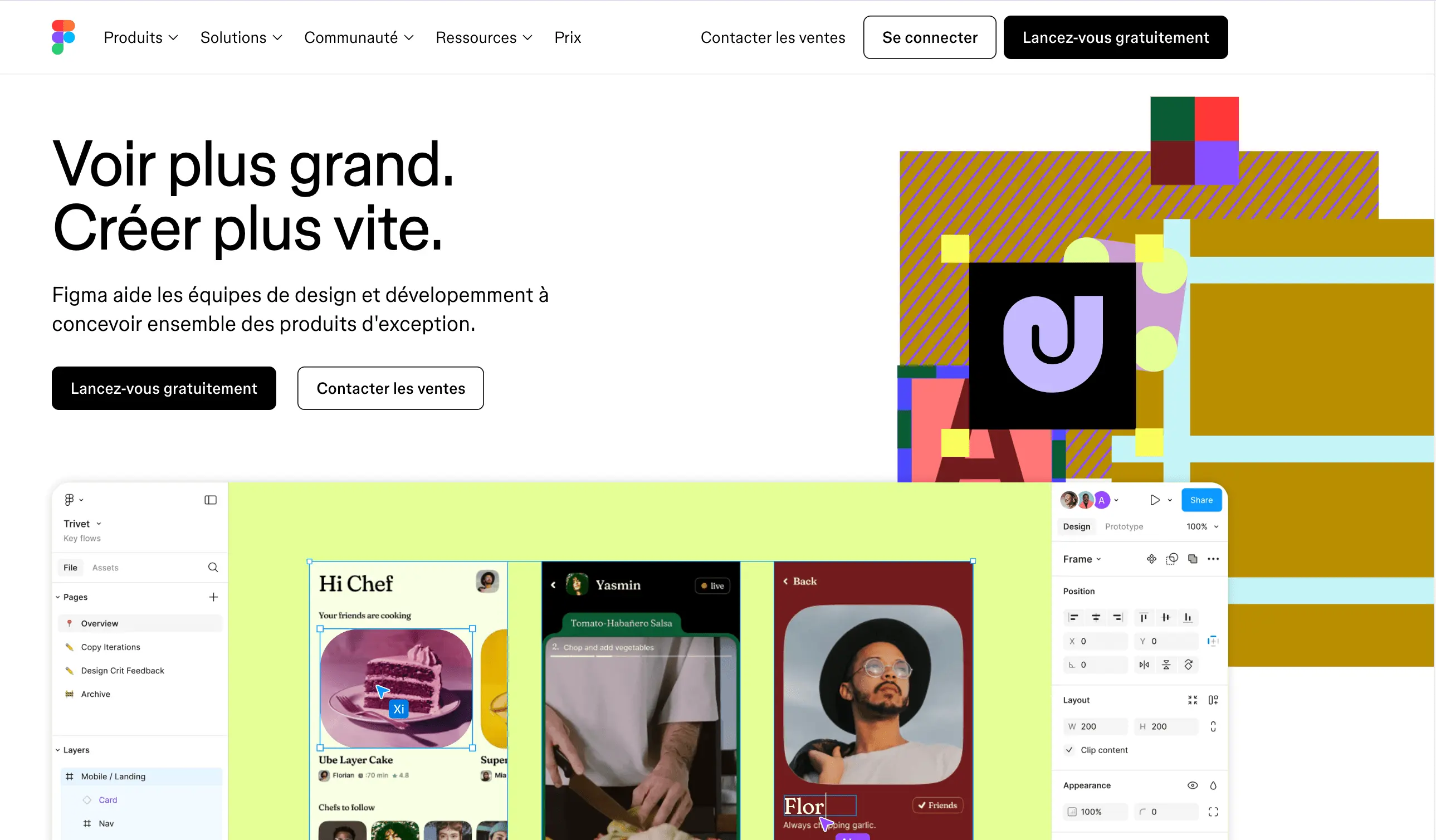
Figma allows product, marketing, and tech teams to collaborate in real time on interface design, UX, user journeys, and SaaS module redesign. This 100% cloud-based tool facilitates exchanges, approvals, and version tracking.
Thanks to its compatibility with front-end frameworks and design system libraries, Figma accelerates the deployment of performance- and customer experience-oriented SaaS interfaces.
Axonaut is business management software designed for SMEs. Available in SaaS mode, it integrates CRM, project management, invoicing, email, cash flow, HR, reminders, bank synchronization, and accounting management into a single interface.
It is a comprehensive management solution that is particularly effective for small and medium-sized businesses that want to manage their commercial activities without having to use multiple tools.
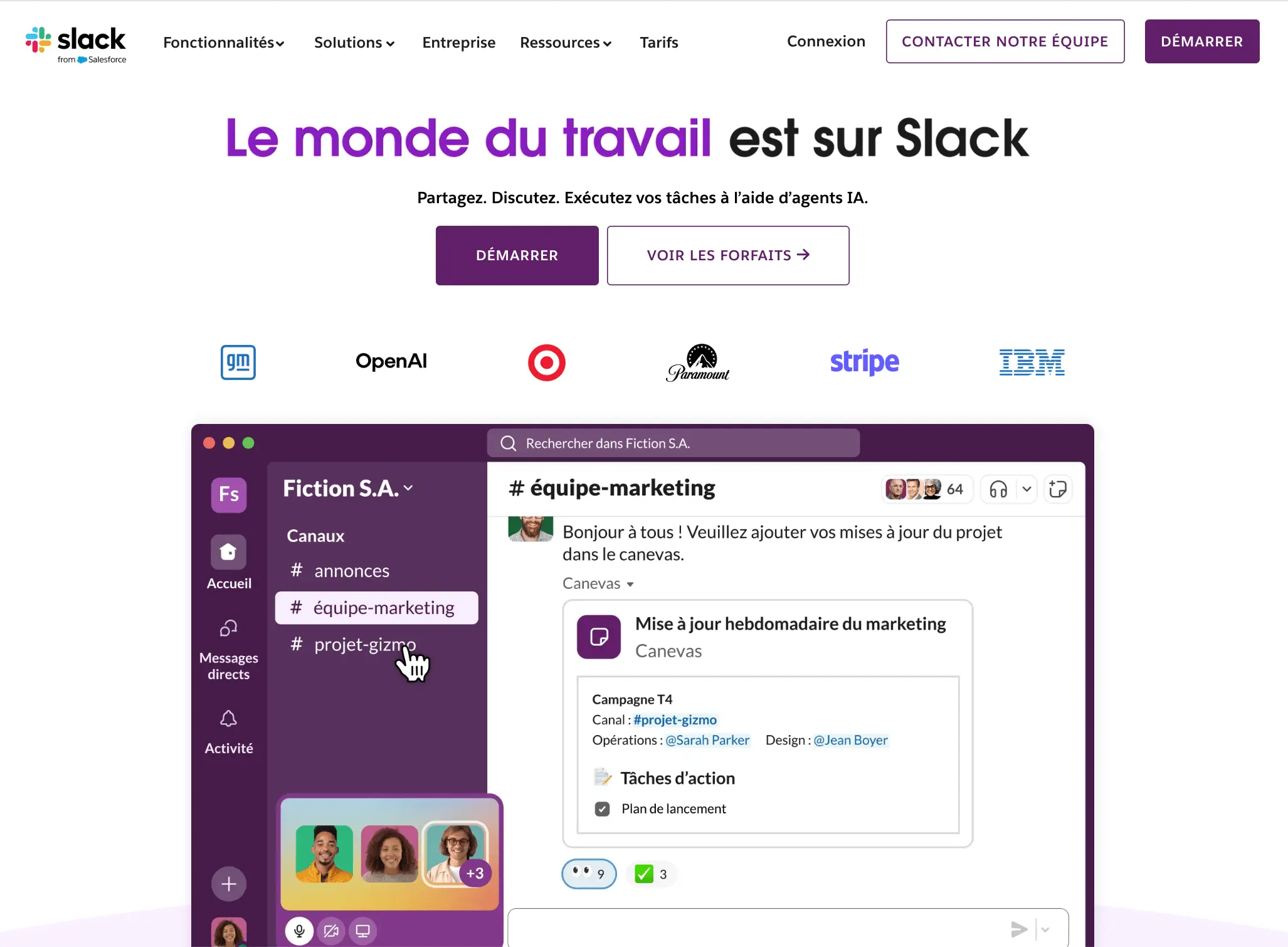
Slack is a collaborative tool that centralizes internal communication via channels, direct messages, integrations (Google Drive, ClickUp, HubSpot, Mailchimp, etc.), and automations. Used as a coordination hub in many digital teams, it allows you to group together exchanges related to each project.
With its connectivity options to CRMs, databases, emailing platforms, and production tracking tools, Slack becomes a lever for productivity and multi-channel supervision.
The best SaaS software no longer just meets a single need: it centralizes, automates, customizes, and makes business management more reliable, whether it's CRM, ERP, marketing automation, collaboration, or financial management. Used correctly, these tools not only save time, but also build customer loyalty, improve business decisions, and optimize every sales process.
For companies with more specific constraints, or those wishing to develop a customized SaaS business application, we have designed a dedicated resource.
Other articles that complement your research: