.avif)





.svg)



Table of Contents



Published on
5/3/26
-
5 min
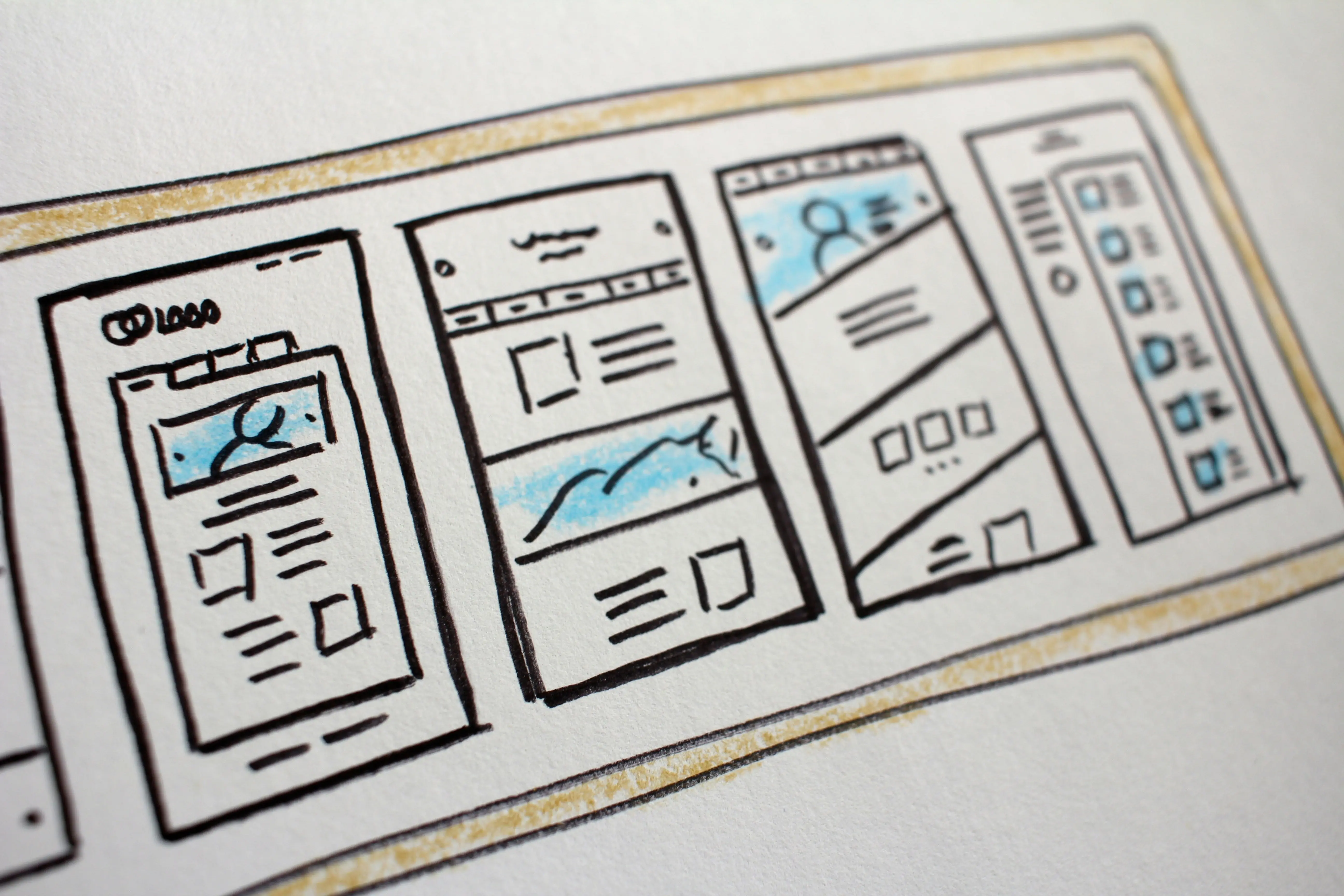
A website redesign can transform a tired site into a powerful tool that generates traffic, customers, and growth. However, many companies launch without a methodical approach and then see a loss of visibility or a drop in conversion rates. The best way to avoid these mistakes is to prepare a solid audit to understand what works, what's holding you back, and what needs to change to increase your impact. This is precisely the objective of the parent article How to audit UX, technical aspects, and SEO before a website redesign. It offers a clear approach for analyzing a site before getting started on the future design.
This article continues this work by highlighting the most common website redesign mistakes. Each point is based on issues observed in real projects where poor strategic, technical, or editorial choices reduced the site's performance after going live. By being aware of these common mistakes, you can prepare your website redesign in a structured way, secure your SEO, and frame the project to achieve a more effective site. This content therefore perfectly complements the parent article and helps you move towards a more reliable and measured redesign.
Before going into detail, it is important to remember that every website redesign produces very different results depending on how it is prepared. Success depends on the clarity of the objectives, the quality of the initial audit, the SEO strategy, content management, and the organization of the launch. These five mistakes represent the most common pitfalls that can ruin months of work.

Many companies embark on a website redesign to modernize the design. The intention is legitimate, but it misses the real issue. A website is more than just its aesthetics. It must serve concrete objectives such as increasing conversions, attracting qualified traffic, reducing bounce rates, improving readability, and streamlining the purchasing process. Without specific objectives, the redesign becomes a series of subjective decisions without strategic logic.
Defining clear objectives allows you to set a measurable course. This framework influences every choice that follows. Above all, it allows you to judge the success of the project based on concrete indicators. Teams have a guide for prioritizing tasks and avoiding scattered efforts. A website redesign is only relevant if it improves specific points aligned with the company's business.
Defining these objectives in advance also helps to better frame the agency or internal team. Everyone knows the priorities. This alignment avoids endless discussions and vague decisions. It paves the way for a measurable, results-oriented redesign.
Ignoring SEO when redesigning a website is the most dangerous mistake. Search engine optimization is based on a set of technical, structural, and editorial signals that can be undermined by a poorly executed redesign. Companies sometimes think that a modern design will be enough to drive traffic. The reality is quite the opposite. A poorly prepared redesign can cause a sharp drop in visibility, sometimes by more than fifty percent in just a few weeks.
The SEO for a redesign must be prepared before the first screens are designed and validated well before the site goes live. Each step influences the next. An oversight in URL mapping, poor content management, broken internal links, or speed issues are enough to destroy a site's momentum. The impact appears gradually, but once Google reindexes the pages, the damage is already done.
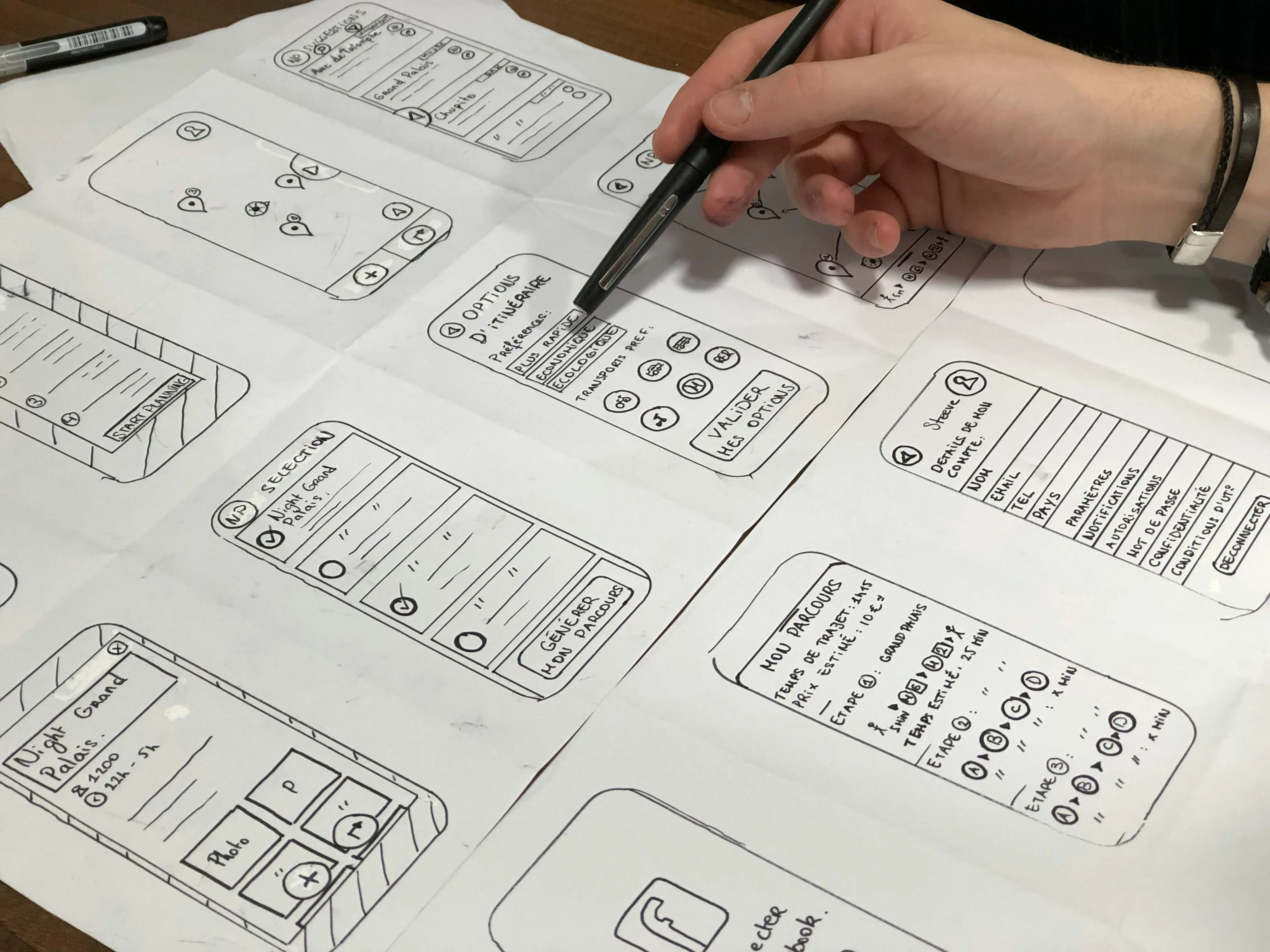
UX is the foundation of a successful website. Ignoring the user experience when redesigning a website results in attractive but ineffective interfaces. The role of UX is to ensure that users find what they are looking for effortlessly, understand important information, and can navigate from one page to another without friction. An aesthetic redesign without UX considerations can reduce conversions instead of improving them.
Mobile adaptation plays a decisive role. A large proportion of visits now take place on smartphones. A website redesign must guarantee a smooth experience on mobile screens. A complex menu, text that is too small, or buttons that are too close together will immediately cause users to leave. Mobile speed also influences SEO. Google values fast sites and penalizes those that take more than a few seconds to load.
Website redesign also concerns the raw material of the site. A modern design cannot mask weak or disorganized content. Content plays several essential roles. It guides the user, feeds SEO, structures the user journey, and gives meaning to navigation. A redesign without editorial work creates a visually attractive but information-poor site, which reduces its ability to convince.
Content must be evaluated, cleaned up, enriched, or rewritten. Many companies keep everything for fear of losing SEO. This mistake clutters the site and weakens the signals perceived by Google. The goal is to keep high-performing content, remove unnecessary pages, and rewrite strategic pages to enhance their quality. The redesign then becomes an opportunity to clarify the offering and improve the relevance of the site.
The success of a website redesign is not only determined before it goes live. The launch is a critical moment where every detail counts. A poorly tested site may have technical errors, display bugs, or navigation issues that users will immediately detect. These flaws diminish the site's credibility and hurt its performance.
Launch preparation must follow a clear protocol. A backup plan allows you to keep the old version. A test environment validates the functioning of the site. Key pages must be scrutinized. Forms must be tested. Purchase paths must be simulated. This work reduces the likelihood of visible errors or malfunctions.
These five mistakes are the most common pitfalls when redesigning a website. By avoiding them, you increase your chances of a successful website redesign while securing your performance, SEO, and user experience. To learn more, check out our other related articles:
The first analyzes the importance of photos and videos in a redesign. The second explores the factors that influence the price of a website redesign. These articles will help you complete your planning and prepare for a more structured redesign.
If you would like assistance in creating your new version and obtaining a detailed audit before you begin, you can contact Easyweb for a comprehensive diagnosis and a reliable action plan.