.avif)





.svg)
.svg)



Table of Contents



Published on
5/3/26
-
5 min
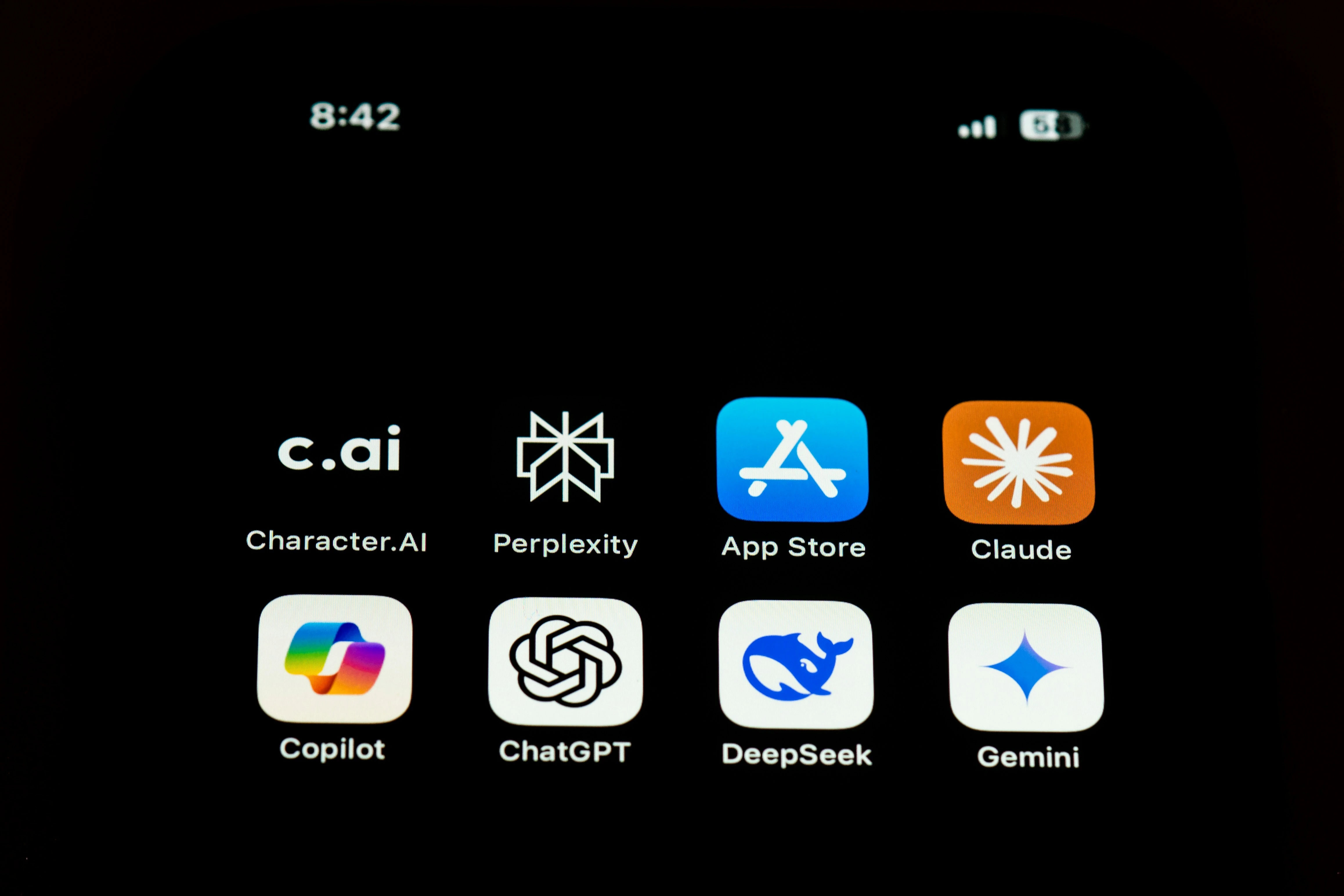
Search engine optimization is undergoing an unprecedented transformation, shifting from a link-based model to a synthesized response model. To understand the challenges of this transformation, we invite you to read our comprehensive analysis on GEO: the new SEO in the era of AI search engines. This new paradigm requires content creators to no longer just aim for the first page of Google, but to become the preferred source for language models.
At Easyweb, our agency specializing in GEO, we transform your digital assets into knowledge bases ready for artificial intelligence. We apply rigorous protocols to ensure that your data is extracted, understood, and, above all, cited with authority by generative engines. This practical approach to GEO ensures that your expertise remains at the center of the automated conversations that dictate today's purchasing journey.
This video explains how the shift from a list of blue links to a single synthetic response completely redefines the marketing objective.
To optimize, you have to understand. Unlike traditional indexing, a generative search engine (such as Perplexity or SearchGPT) uses a process called "Retrieval-Augmented Generation" (RAG). AI searches for text segments (chunks) that have the highest information density and the best semantic match with the user's query.
One of the primary drivers of GEO is the reduction of textual noise. AI favors content where each sentence adds factual value. The use of structured data in JSON-LD format allows language models to instantly categorize your entity (product, service, expert). A study conducted by information engineering researchers suggests that sites using comprehensive Schema.org markup increase their likelihood of being included in the AI's "Knowledge Graph" by more than 22%.
Formatting is no longer just a matter of user experience (UX), it's a matter of readability for the processor. To be cited, your content must follow an inverted pyramid logic.
Each section of your article should ideally follow this three-part structure:
Headings should not be creative or metaphorical, but descriptive and "query"-oriented. Instead of "The future is here," use "GEO trends for 2026." This allows vectorization algorithms to divide your page into clear themes, making it easier to extract specific quotes.
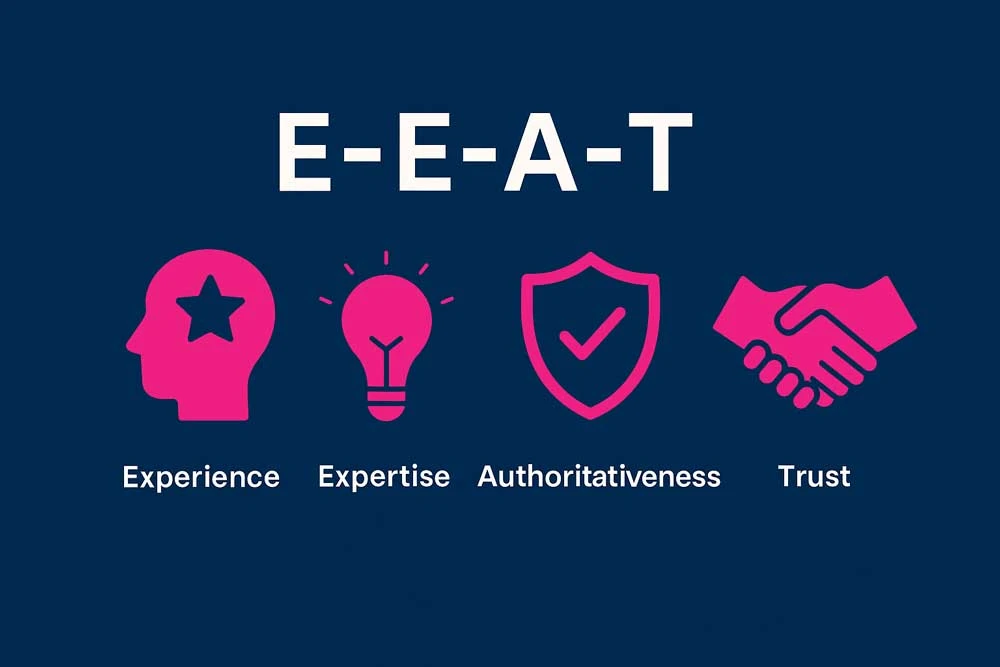
The leading academic study on Generative Engine Optimization (Aggarwal et al., 2024) highlights a key factor: adding citations from reliable sources within your article dramatically increases your chances of being picked up by AI.
To maximize your GEO score, your writing should include:
For example, rather than stating that "GEO improves traffic," specify that "according to the latest performance tests, optimization for generative engines can generate a 35% increase in visibility on conversational queries."

Being cited by AI means producing content that can be used as is. Models favor clear, neutral, and informative passages. Overly long sentences, marketing jargon, or vague promises reduce the likelihood of being cited.
Good GEO content includes explicit definitions, step-by-step explanations, and concise wording. It anticipates follow-up questions and provides structured answers.
Organize your content into thematic clusters. If you are talking about GEO, you should have satellite pages on LMO (Language Model Optimization) and AEO (Answer Engine Optimization). This network proves to AI that your site covers the topic comprehensively. Thematic depth is a major quality signal for language models that seek to avoid superficial sources.
AI engines such as Perplexity access the web in real time. Outdated content will be systematically discarded in favor of a more recent source. It is imperative to clearly indicate the date of the last update and to refresh the figures at least twice a year.
Optimizing your content to be cited by AI requires much more than a cosmetic SEO adjustment. It involves a change in editorial approach, focused on intent, structure, and credibility. GEO, in its practical dimension, is based on a detailed understanding of AI search engines and their selection mechanisms.
To learn more about these issues, we invite you to read the article GEO: the new SEO in the era of AI search engines, which sets out the strategic framework for this evolution. You can also discover Why your site never appears in the responses of AI such as ChatGPT, Gemini, or Perplexity, in order to identify the most common barriers to visibility.
At Easyweb, we integrate these concepts into a comprehensive approach, in collaboration with our GEO agency, to provide long-term support to brands in this new era of search.