.avif)





.svg)
.svg)


Contents



Published on
2/3/26
-
5 min

In our previous article , Mobile Apps in 2025: Why Get Started?, we showed that apps are no longer an option but a strategic necessity for modern businesses. They shape how customers interact with a brand and determine a business's competitiveness in an increasingly mobile-first environment.
But beyond this obvious fact, one question remains essential: what is the concrete impact of a mobile application on a business, whether it is a startup, an SME, or a large company?
This is what we will explore in detail in this article, analyzing the effects on visibility, customer relations, revenue, loyalty, and digital transformation.

For several years now, smartphones and tablets have surpassed computers in terms of browsing and online shopping. In 2025, more than 70% of global web traffic will come from mobile devices, and this proportion continues to grow.
This means that a company that does not invest in a mobile app risks being invisible where its customers actually are. A responsive website is a first step, but an app takes things further by offering a smooth, fast, and personalized user experience.
Google already favors mobile-first indexing, which means that websites and content optimized for smartphones are ranked higher. But an app adds another dimension: it can be optimized forApp Store Optimization (ASO), giving it visibility in app stores (App Store and Google Play) in addition to traditional search engine results. In 2023 alone, mobile accounted for 50% of internet traffic. This represents a dramatic increase since 2010.

A mobile app is not just a technical tool, it is a powerful commercial lever. It allows you to convert a simple visitor into a prospect more quickly thanks to simplified forms, targeted notifications, and shorter user journeys than on the traditional web.
Even an optimized website often requires several steps to fill a shopping cart or sign up for a newsletter. With an app, sometimes all it takes is a visible CTA or a quick login button (via Google, Facebook, Apple) to convert in just a few clicks.
A well-designed application significantly reduces friction in the conversion funnel. It includes:
Result: conversion rates up to three times higher than those of a traditional website.
Thanks to data collected via an app, companies can offer a highly personalized experience. Whether through push notifications, targeted offers, or tailored content, each user receives a customized journey.
This personalization promotes loyalty. Rather than having to win back customers through costly digital marketing (SEA, social media, emailing), the app allows you to maintain a direct and constant connection with the user.
A mobile application can be linked to a CRM ormarketing automation solution, enabling advanced customer relationship management: segmentation, lifecycle tracking, automatic reminders, behavior analysis.
In a B2B context, it even becomes a sales tool for managing prospects and opportunities directly from a smartphone.
Investing in a mobile app may seem costly at first, but it helps optimize marketing expenses in the long term.
A good example is retargeting via push notifications. Instead of continuously paying for Google Ads or social media ads, the app allows you to re-engage an existing customer at no additional cost.
In e-commerce, an app encourages repeat purchases. Users who have downloaded an app place more orders and spend more, as they benefit from an optimized interface and simplified purchasing processes.
Studies show that app users spend an average of 30% more than users who only visit a website.
In 2025, applications will widely integrateAI to analyze behavior, anticipate needs, and offer relevant recommendations. This will transform apps into true digital assistants capable of guiding users and boosting conversions.
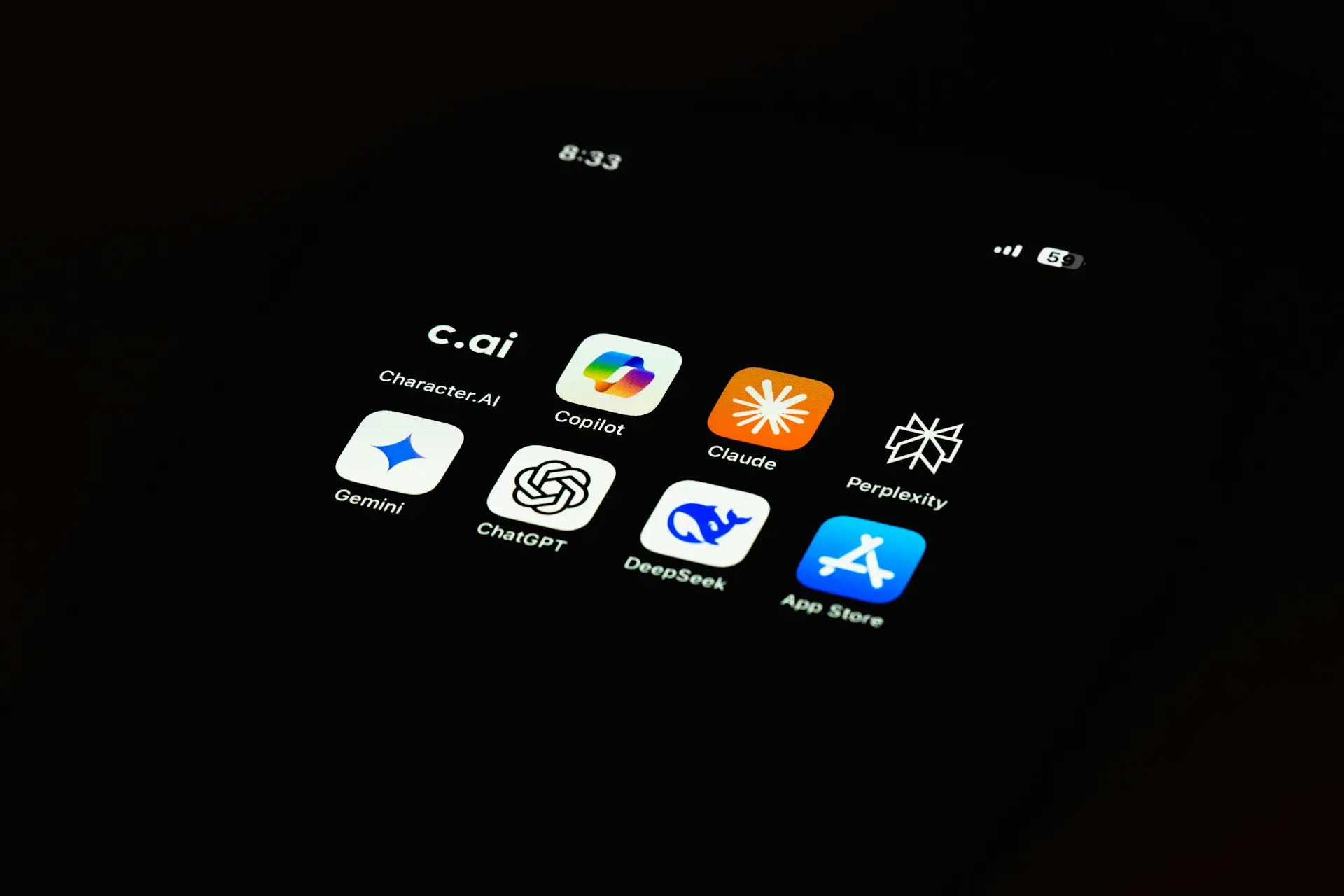
AR and 5G enable unprecedented experiences: 3D product visualization, virtual try-ons, immersive demonstrations. These innovations increase engagement and differentiate a brand from its competitors.
In summary, a mobile app has a profound impact on a company's growth: improved visibility, more conversions, increased customer loyalty, optimized marketing costs, and integration of new technologies.
In 2025, not having a mobile app means leaving the field open to competitors.
To take your thinking further:
Top 5 reasons to develop a mobile app in 2025
Website, PWA, or native app: which should you choose based on your needs?