.avif)





.svg)
.svg)


Contents



Published on
-
5 min

Optimizing your SEO is no longer just about placing a few main keywords on a page. Search engines now analyze the overall semantic richness of content, its ability to cover a topic in depth, and to respond to a variety of intentions. This is precisely where secondary keywords play a strategic role that is often underestimated.
At Easyweb SEO agency, SEO optimization involves a sustainable approach based on understanding users' actual queries and intelligently structuring content. This logic is at the heart of our Easyweb SEO Agency service page, to which this article directly refers. The goal here is to give you a clear method for understanding, identifying, and effectively leveraging secondary keywords in a modern SEO strategy.

Secondary keywords are queries closely related to a main topic. They allow you to broaden the semantic coverage of a page without changing its central intent. Their role is to help search engines understand the topic in depth.
Unlike primary keywords, they are not used to target a single query. They enrich the overall context and reinforce the relevance of the content. Google emphasizes the importance of useful and comprehensive content that covers a topic in its entirety, as explained in its recommendations on useful, user-oriented content published by Google Search Central.
In modern SEO optimization, secondary keywords are therefore not incidental. They are a key lever for improving the semantic understanding of a page and its ability to rank sustainably.
Secondary keywords play a central role in the stability of SEO positions. Algorithms evolve, but the logic of thematic understanding remains constant. A semantically rich page is more resistant to updates than a page that is over-optimized for a single query.
They also allow you to capture long and specific queries. These queries often reflect a more advanced intention, particularly in B2B. Someone searching for how to select SEO keywords or how to find SEO keywords is generally in an active phase of consideration.
Analyses conducted by Ahrefs show that the majority of well-ranked pages generate their traffic from hundreds of secondary queries, which may be invisible at first but are decisive in the long term. This logic explains why optimizing your SEO today requires a broader view of the semantic field.
Identifying the right secondary keywords relies primarily on understanding search intent. The goal is not to accumulate queries, but to understand how a topic is actually formulated and explored by users.
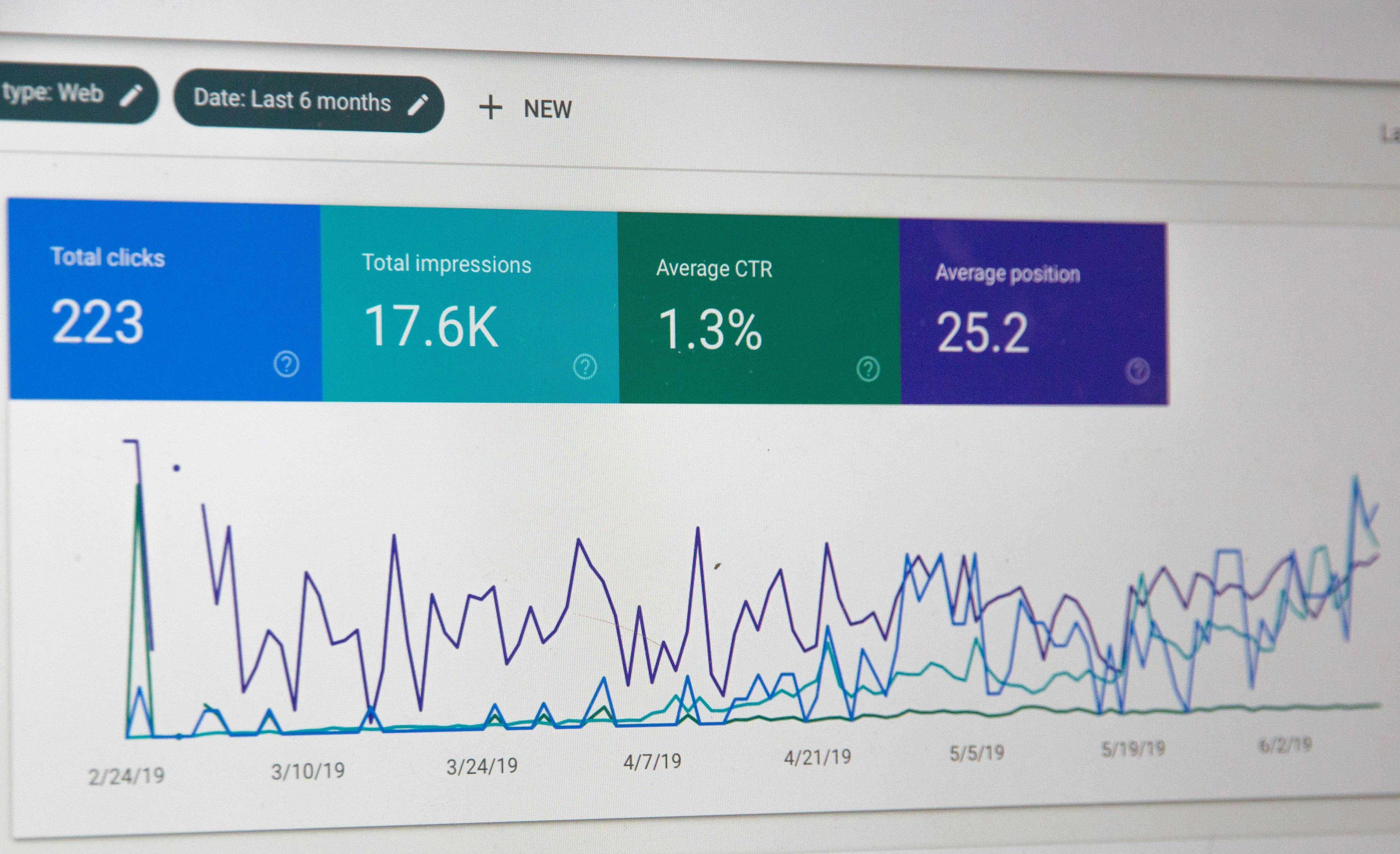
The most effective methods for achieving this are as follows:
The integration of secondary keywords must remain natural and consistent. They find their place in the content structure even before they appear in the text.
Headings and subheadings are ideal places to introduce semantic variations. Each section should begin with a clear answer to an implicit question, then develop the topic progressively. This approach makes it easier for humans to read and for AI systems to extract information.
In the body of the text, secondary keywords should enrich the discourse, not constrain it. Their presence is justified when they provide precision, a complementary angle, or clarification. This logic is essential to avoid keyword stuffing and reinforce editorial credibility.
In a B2B strategy, secondary keywords help capture high-value intent. Queries such as free SEO audit, SEO audit agency, or SEO audit price indicate an active search for a solution or service provider.
Integrating these queries into educational content builds trust and positions the brand as an authority. According to an analysis published by HubSpot on content clusters, websites that structure their pages around comprehensive topics generate more qualified traffic and improve their organic conversion rates.
This approach transforms SEO into a sustainable acquisition lever. It allows visibility, credibility, and commercial performance to be linked without artificially multiplying pages.
Secondary keywords have become essential for optimizing SEO in a sustainable way. They strengthen semantic understanding, improve coverage of search intentions, and support long-term B2B acquisition.
To take things further, related articles on SEO auditing, building an advanced keyword strategy, and continuous content optimization naturally complement this approach and help you structure a truly effective SEO strategy. And if you're interested in the new SEO, GEO, read our article: GEO, the new SEO.